Dry Needling
What is dry needling?
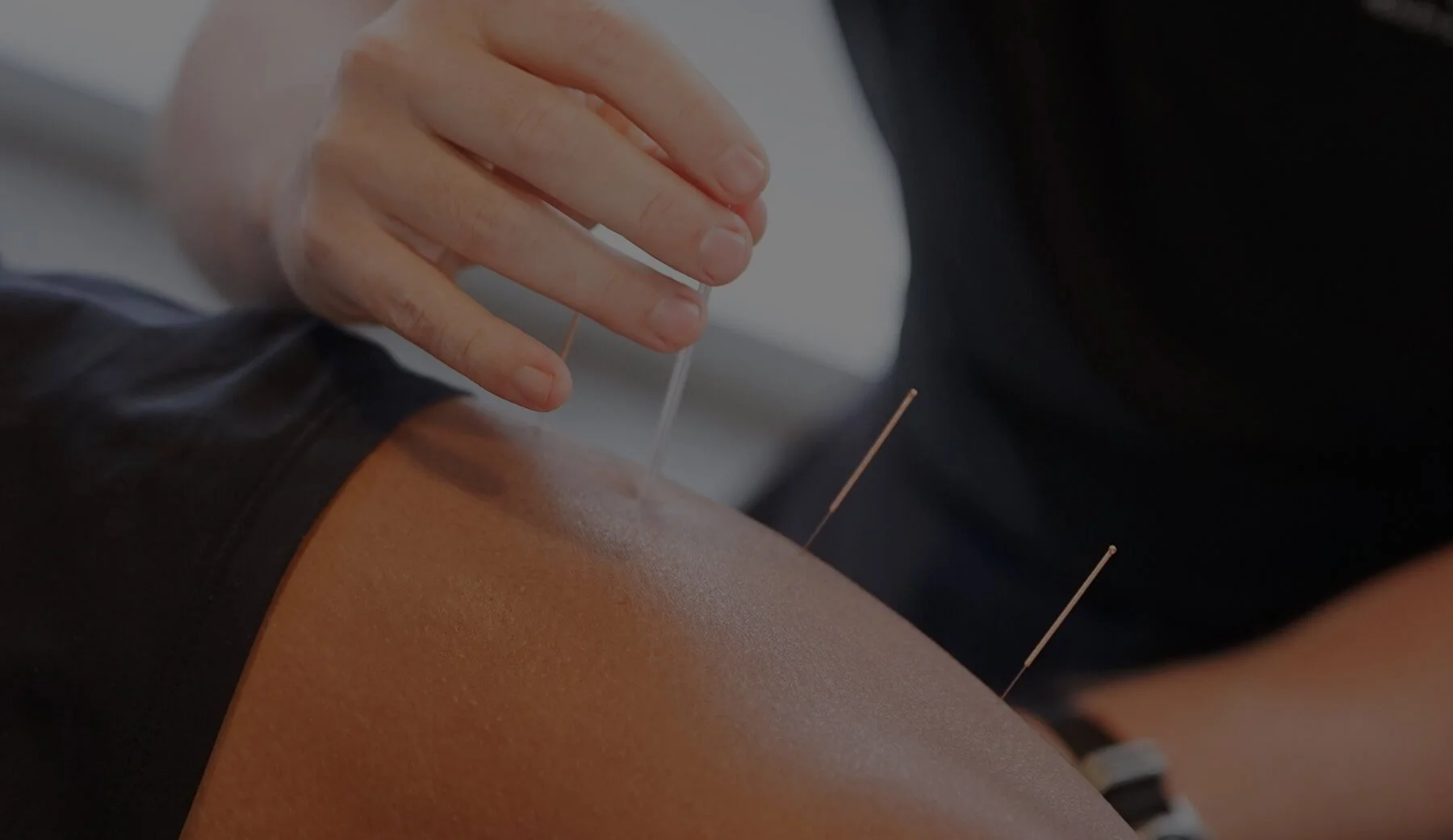
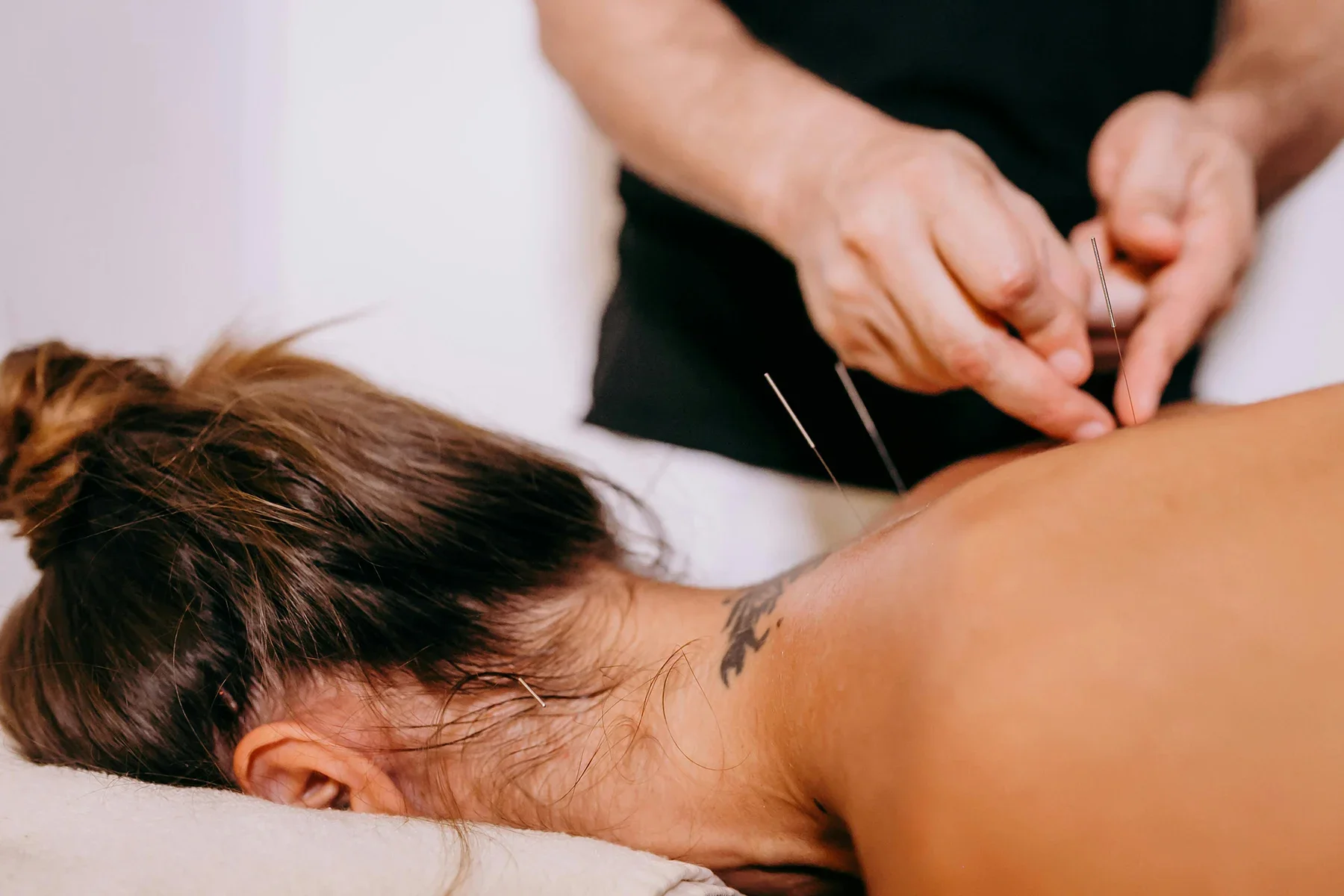
Dry needling is a targeted treatment used to release tight, overworked muscles that may be contributing to pain, stiffness, or restricted movement. It involves inserting fine sterile needles into specific trigger points to encourage the muscle to relax and reset.
This technique can be particularly helpful for muscular tension, sports injuries, overuse complaints, and movement-related discomfort, especially when tight muscles are limiting recovery or performance.
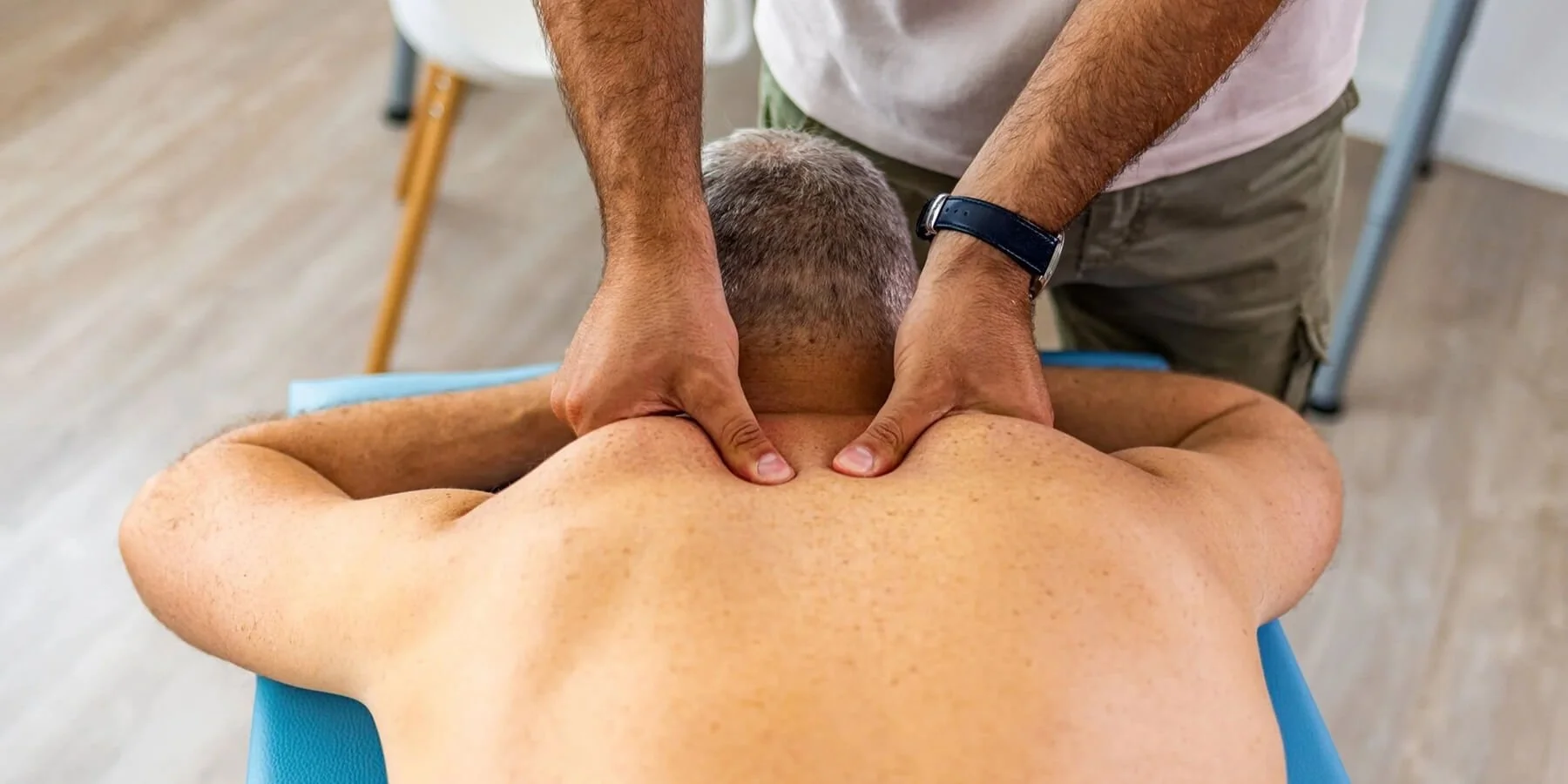
As part of physiotherapy treatment, dry needling may be combined with hands-on therapy, deep tissue massage, exercise rehab, and other recovery-focused techniques depending on your needs.
What are the benefits?
Releases tight muscles: Helps reduce muscle tension, trigger points, and stubborn tightness.
Supports pain relief: May ease muscular discomfort and improve comfort with movement.
Improves mobility: Can restore flexibility and improve range of motion.
Encourages recovery: Supports healing and recovery from physical strain or overuse.
Helps with headaches and tension: May relieve muscular headaches and upper body tension.
Works with your treatment plan: Often combined with physio, rehab, and hands-on therapy for better results.
Dry Needling FAQ
-
Dry needling may help with muscular pain, sports injuries, neck and back tension, headaches, shoulder tightness, movement restrictions, and overuse-related discomfort.
-
You may feel a brief twitch or cramping sensation when the needle reaches a trigger point, but most people tolerate treatment well. Any post-treatment soreness is usually mild and temporary.
-
Some people notice improved movement or pain relief after one session, while others may need a few treatments depending on the condition being treated.
-
No. While both use fine needles, dry needling focuses on muscular trigger points and movement dysfunction rather than traditional acupuncture principles.
-
Yes. Dry needling is commonly used alongside physiotherapy, manual therapy, exercise rehab, and other treatment techniques to support recovery.
-
Absolutely. It’s commonly used to help manage muscle strains, overuse injuries, training-related tightness, and recovery from physical activity.