Cupping therapy
What is cupping therapy?
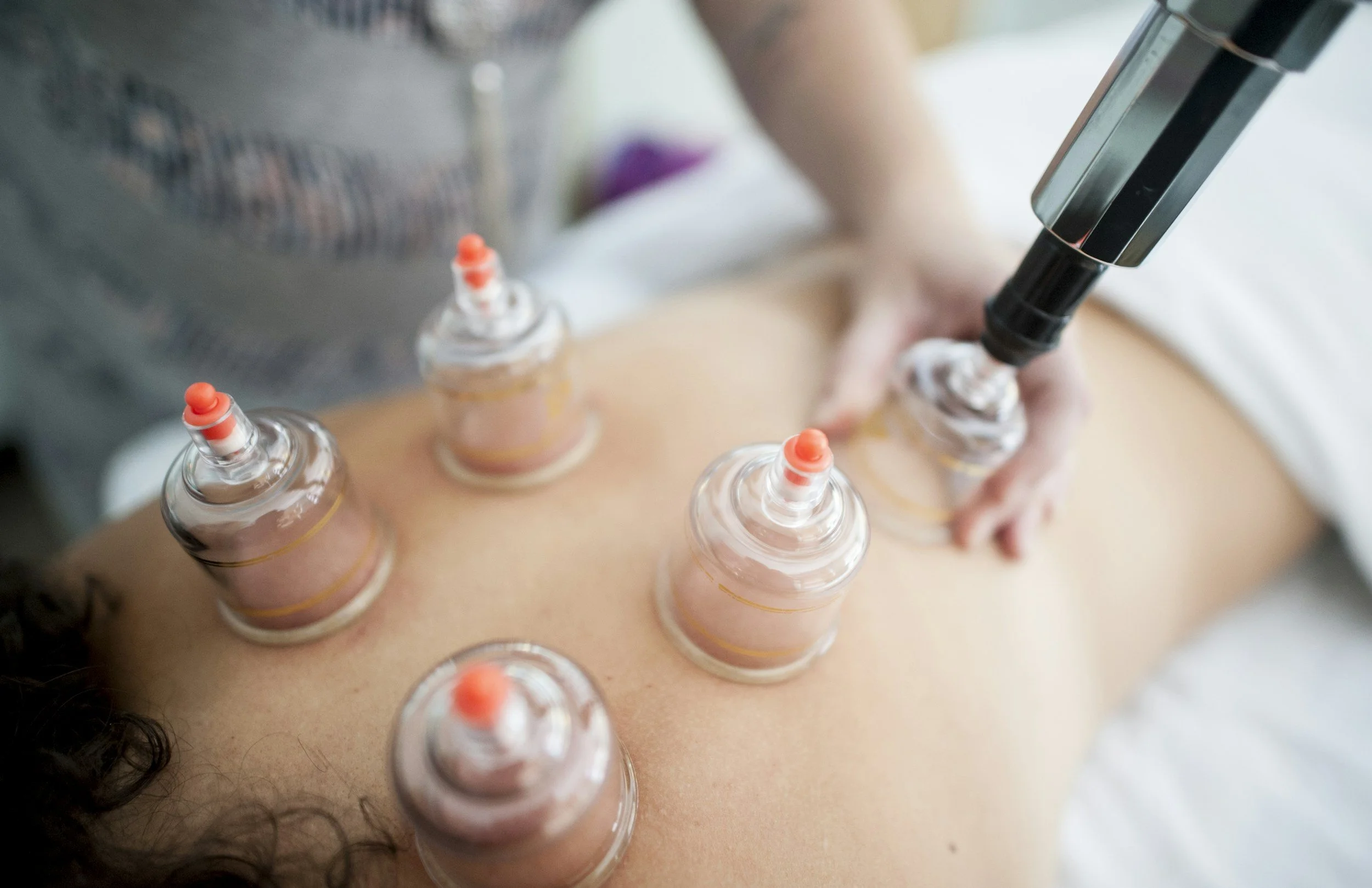
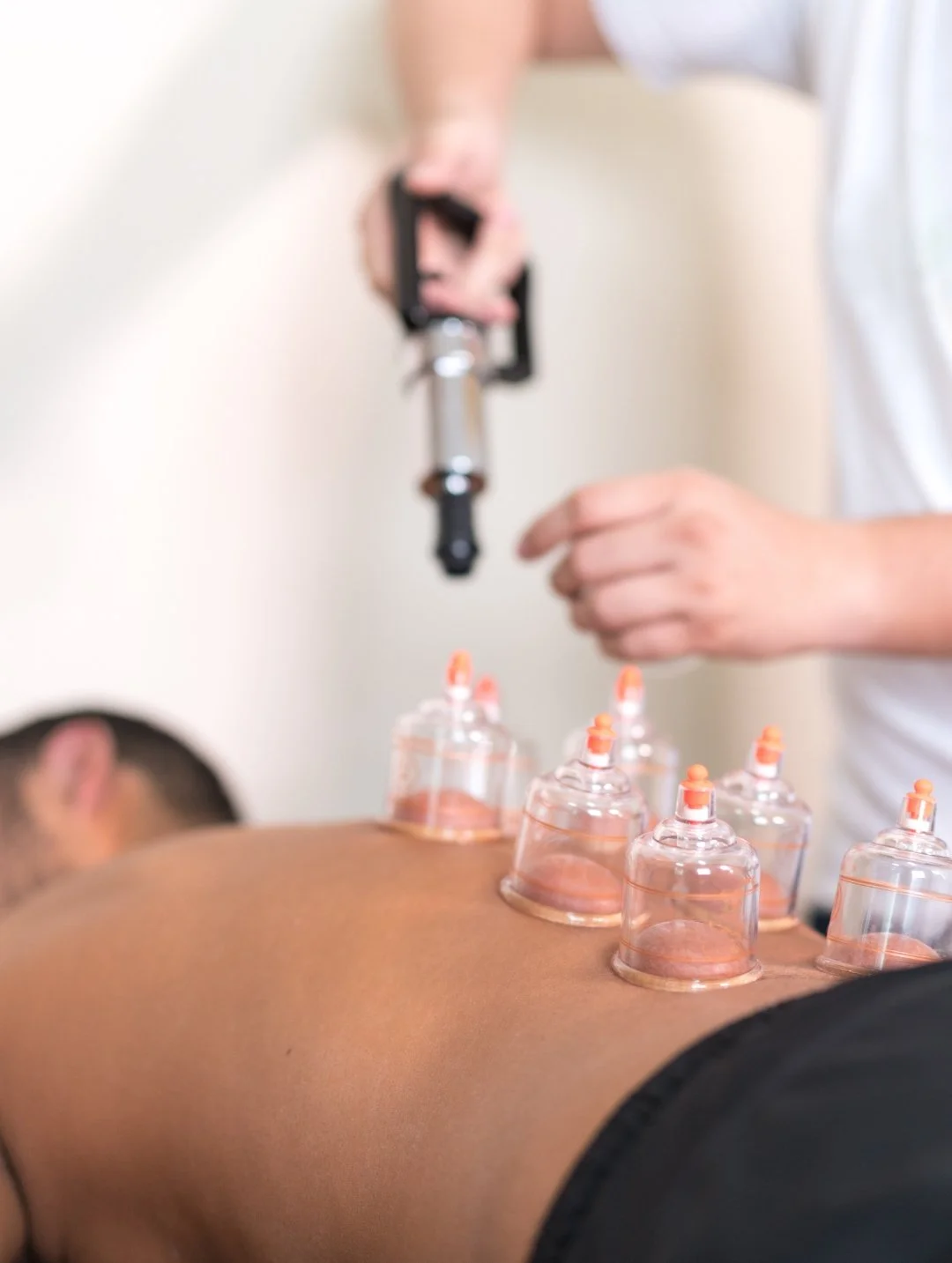
Cupping therapy is a treatment technique used to ease muscle tension, improve tissue mobility, and support recovery from physical stress or overuse. Specialised cups create suction to lift soft tissue and encourage circulation in the targeted area.
This approach can be useful for tight muscles, postural tension, sports recovery, and areas where soft tissue restriction may be limiting movement or causing discomfort.
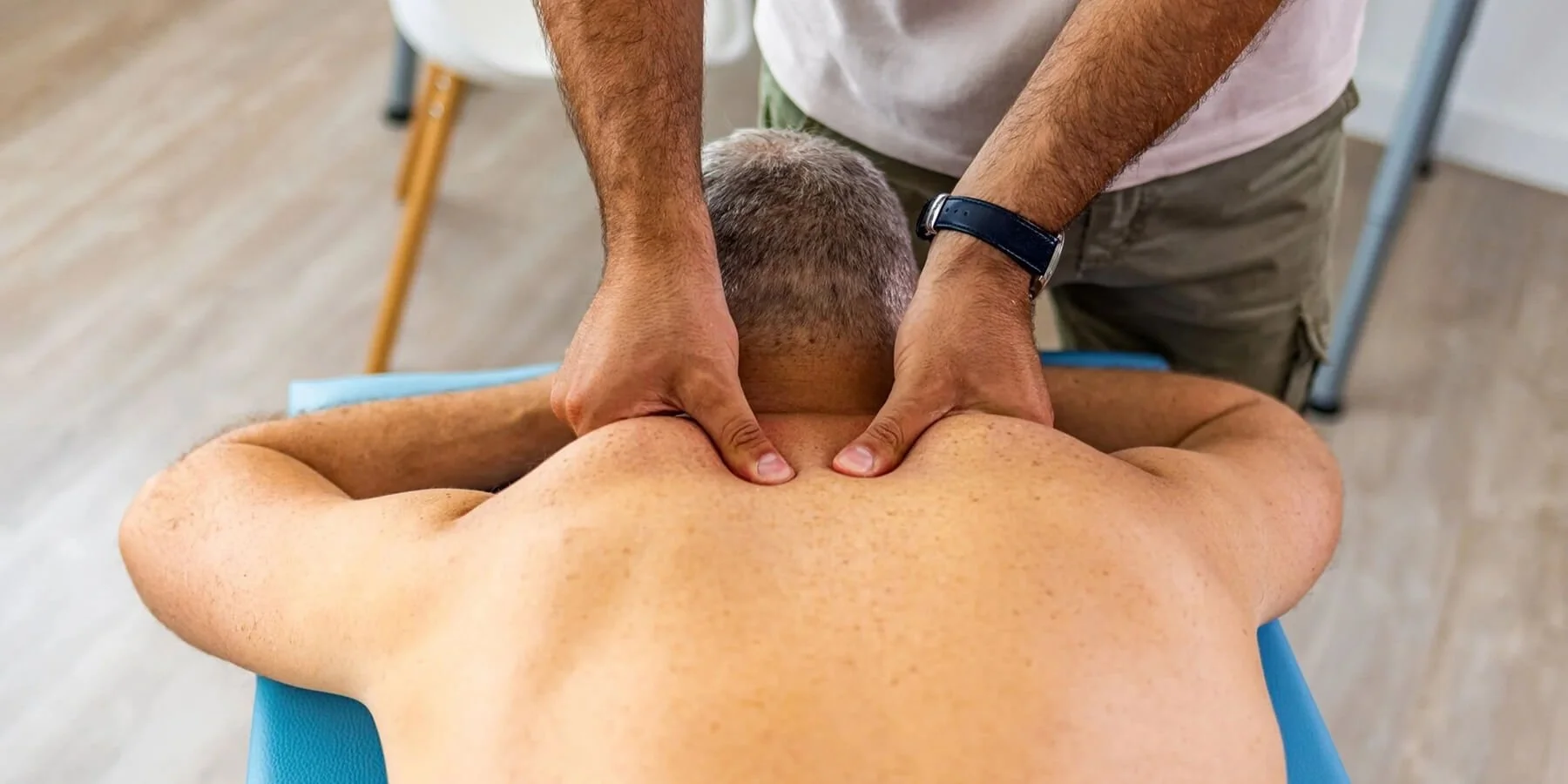
At Regen Health, cupping may be incorporated into your physiotherapy treatment where appropriate, alongside deep tissue massage, dry needling, taping, or other recovery-focused techniques.
What are the benefits?
Relieves muscle tightness: Helps reduce tension in overworked or stiff muscles.
Supports circulation: Encourages blood flow to targeted soft tissue areas.
Assists recovery: Can help the body recover after physical strain or repetitive loading.
Improves tissue mobility: May reduce soft tissue restriction and improve movement comfort.
Helps with postural tension: Useful for tightness linked to desk work, training, or daily stress.
Works alongside physio treatment: Often used as part of a broader recovery and rehab plan.
Cupping Therapy FAQ
-
Cupping therapy is commonly used for muscle tightness, postural tension, sports recovery, soft tissue stiffness, and movement-related discomfort.
-
Most people find cupping comfortable, with a pulling or tight sensation during treatment. Areas with more tension may feel slightly more intense.
-
The circular marks are a normal response to increased blood flow in the treated area. They’re usually temporary and fade naturally over several days.
-
Not at all. While it’s popular for sports recovery, cupping can also help people dealing with desk-related tension, muscular tightness, or general physical discomfort.
-
Yes. Cupping is often used alongside manual therapy, dry needling, exercise rehab, and other physiotherapy treatments depending on your needs.
-
This depends on your condition, activity level, and what’s contributing to the tension. Some people notice immediate relief, while others benefit from ongoing treatment as part of a broader plan.