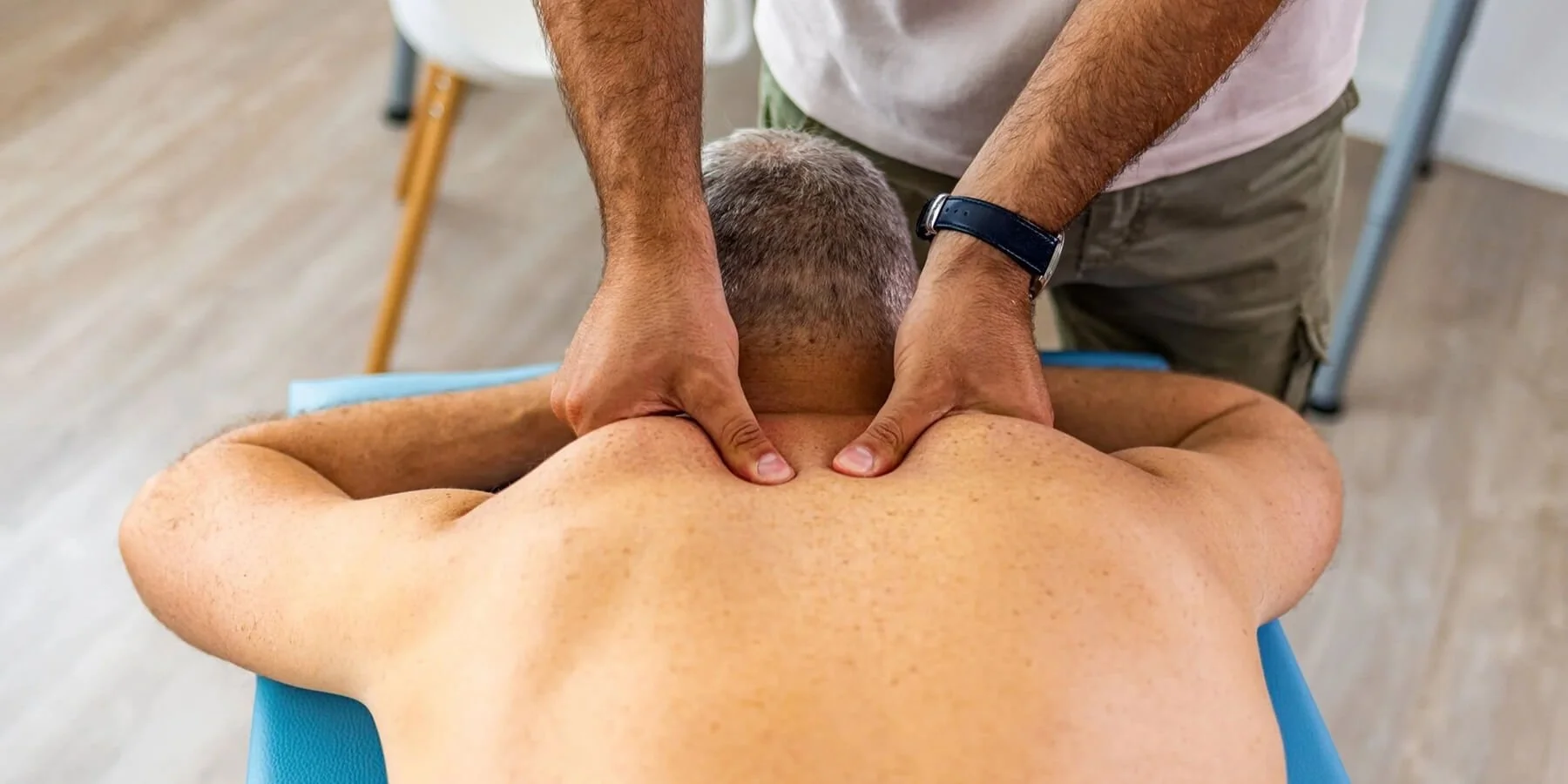
DEEP TISSUE MASSAGE
What is deep tissue massage?
Deep tissue massage is a hands-on treatment that targets deeper layers of muscle and connective tissue to relieve persistent tightness, muscular discomfort, and movement restriction. It uses slow, targeted pressure to release built-up tension contributing to pain or stiffness.
This technique is often helpful for chronic muscle tightness, postural strain, training-related soreness, and areas where tension has built up over time.
At Regen Health, deep tissue massage may be used as part of your physiotherapy treatment plan alongside exercise rehab, manual therapy, dry needling, or other recovery-focused treatments.
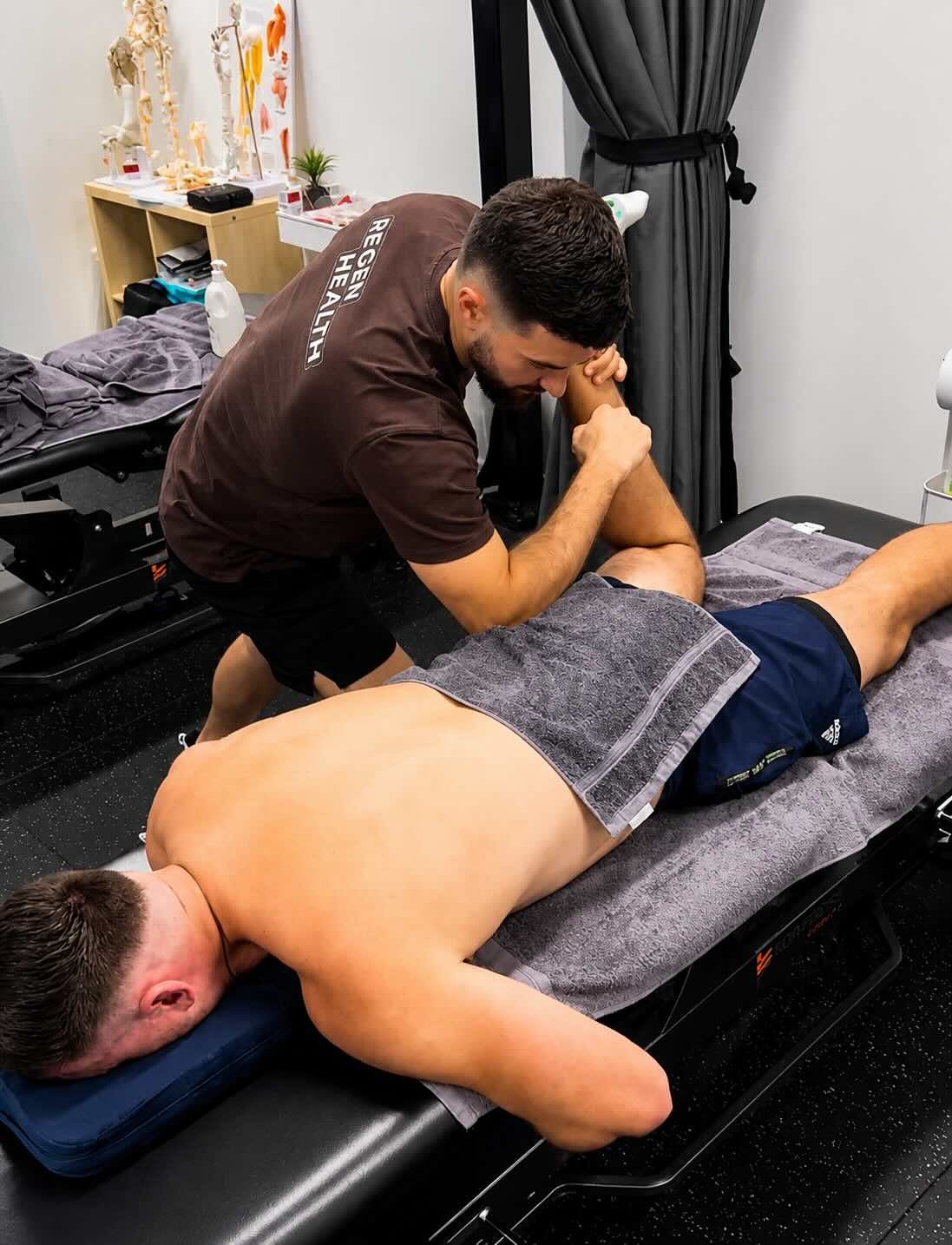
What are the benefits?
Relieves persistent muscle tension: Helps release deeper muscular tightness and built-up tension.
Improves movement: May reduce stiffness and help the body move more comfortably.
Supports recovery: Useful after training, physical strain, or repetitive muscular overload.
Helps with postural discomfort: Can ease tightness linked to desk work, poor posture, or daily stress.
Targets chronic tight areas: Designed to address stubborn muscle tension that hasn’t settled on its own.
Works with your treatment plan: Often combined with physio treatment and rehab for better outcomes.
Deep Tissue Massage FAQ
-
Deep tissue massage is commonly used for chronic muscle tightness, stiffness, postural discomfort, sports recovery, and movement restrictions caused by muscular tension.
-
Because it works into deeper muscle layers, some pressure can feel intense, but treatment should always stay within a manageable comfort level based on your tolerance.
-
No. Deep tissue massage is more targeted and treatment-focused, aiming to address specific muscular tension and dysfunction rather than general relaxation.
-
Yes. It can help reduce muscle tightness, improve recovery after training, and support movement following physical strain or repetitive activity.
-
Absolutely. It’s often used alongside exercise rehab, manual therapy, dry needling, and other physiotherapy treatments as part of a broader recovery plan.
-
This depends on your symptoms, activity levels, and treatment goals. Some people benefit from occasional treatment, while others may need more regular care.