Physiotherapy For
knee Pain
Rated 5.0 by 100+ locals.
Knee pain slowing you down? You’ve come to the right place.
Knee pain can be painful, limiting, and difficult to ignore, especially when it affects work, exercise, or everyday movement. Our experienced physiotherapists are here to help.
With personalised treatment and a focus on finding the source of your pain, we'll help reduce discomfort, improve movement, and support your long-term recovery.
We treat a wide range of knee conditions, including ligament injuries, meniscus tears, tendon pain, arthritis, runner's knee, and general knee stiffness.
Rather than simply managing your symptoms, we focus on restoring strength, improving joint function, and helping reduce the chance of your knee pain returning.
Ready to get on top of your knee pain? Book your knee physio appointment today.
Knee Pain Explained
Knee pain is one of the most common musculoskeletal conditions and can affect people of all ages. Here's what may be causing your symptoms and how physiotherapy can help.
-
Knee pain can develop for many different reasons. Common causes include:
Ligament sprains or tears
Meniscus injuries
Tendon irritation, including patellar tendinopathy
Arthritis and age-related joint changes
Overuse from sport or repetitive activities
-
Symptoms vary depending on the underlying cause. Common signs include:
Pain during walking, running, or climbing stairs
Swelling around the knee joint
Stiffness or reduced movement
Clicking, locking, or catching sensations
Knee weakness or instability
-
Many knee injuries occur through sport, work, or everyday activities, including:
ACL, MCL, and other ligament injuries
Meniscus tears
Patellar tendinopathy
Runner's knee
Cartilage injuries and joint irritation
-
Physiotherapy starts by identifying what's contributing to your knee pain, whether it's an acute injury, overuse, weakness, or changes in the way you move. Understanding the cause allows us to create a treatment plan that's specific to your needs.
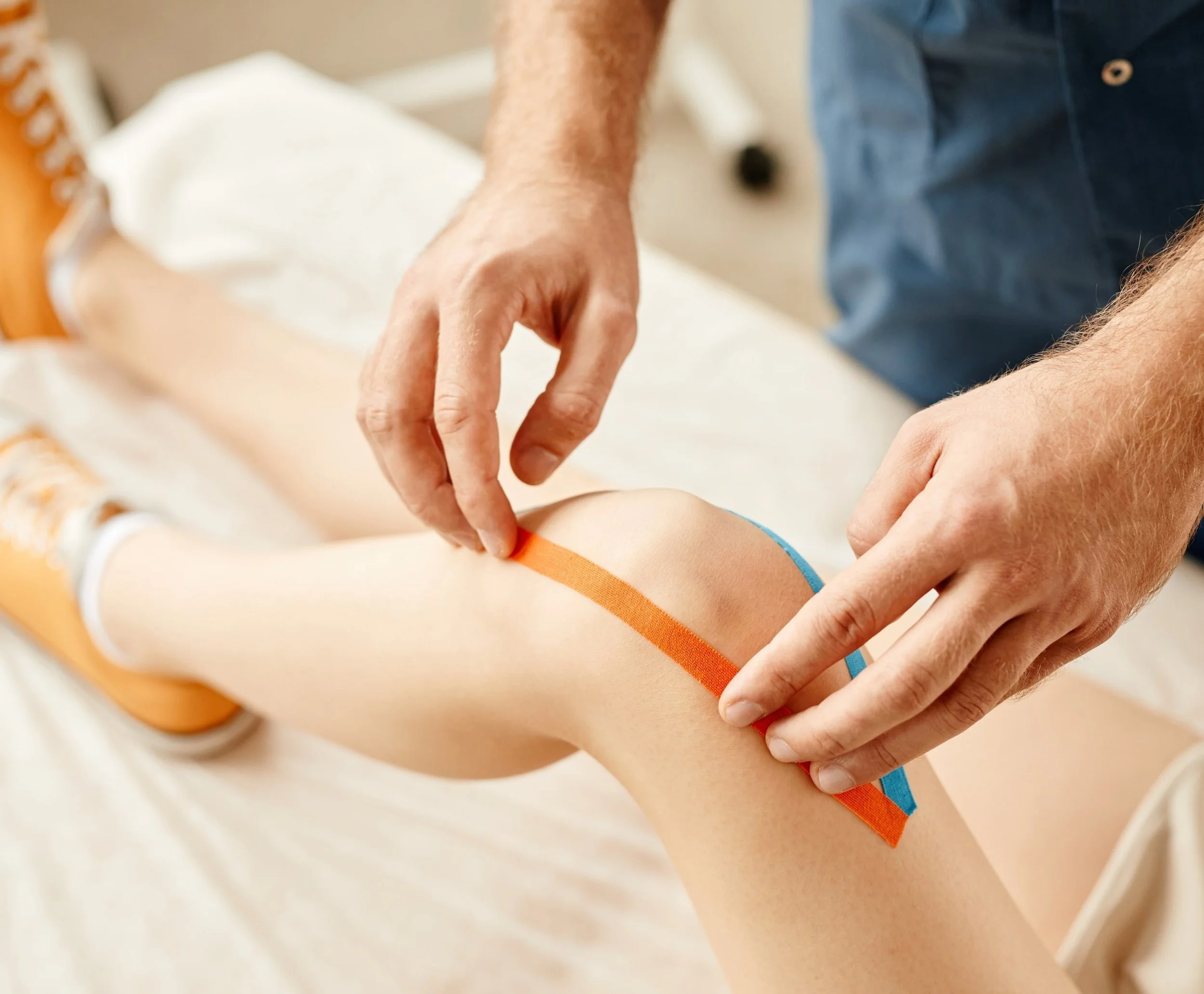
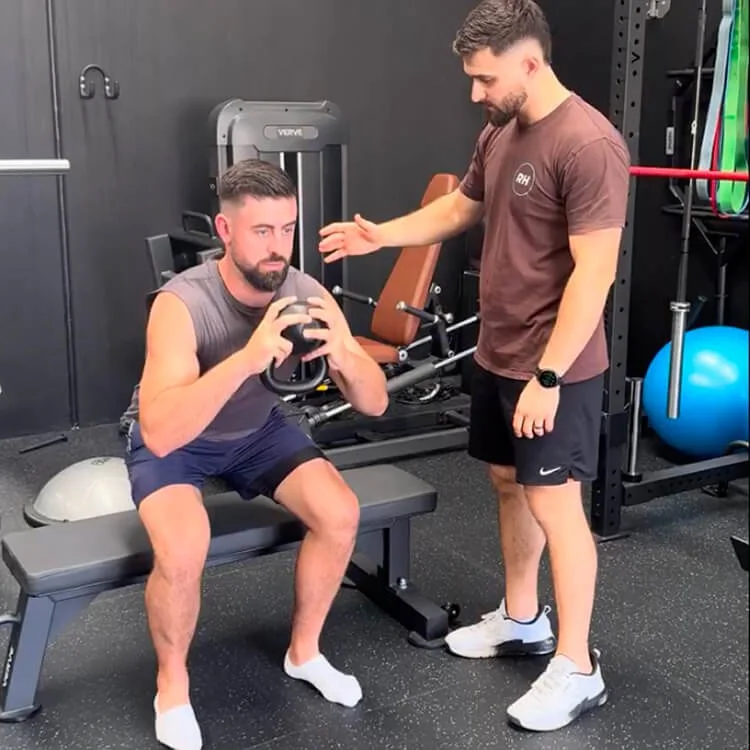
Your physiotherapist may use hands-on treatment, strength exercises, mobility work, and movement retraining to reduce pain, improve stability, and restore confidence in your knee. As you recover, your program will progress to help you safely return to work, sport, and everyday activities.
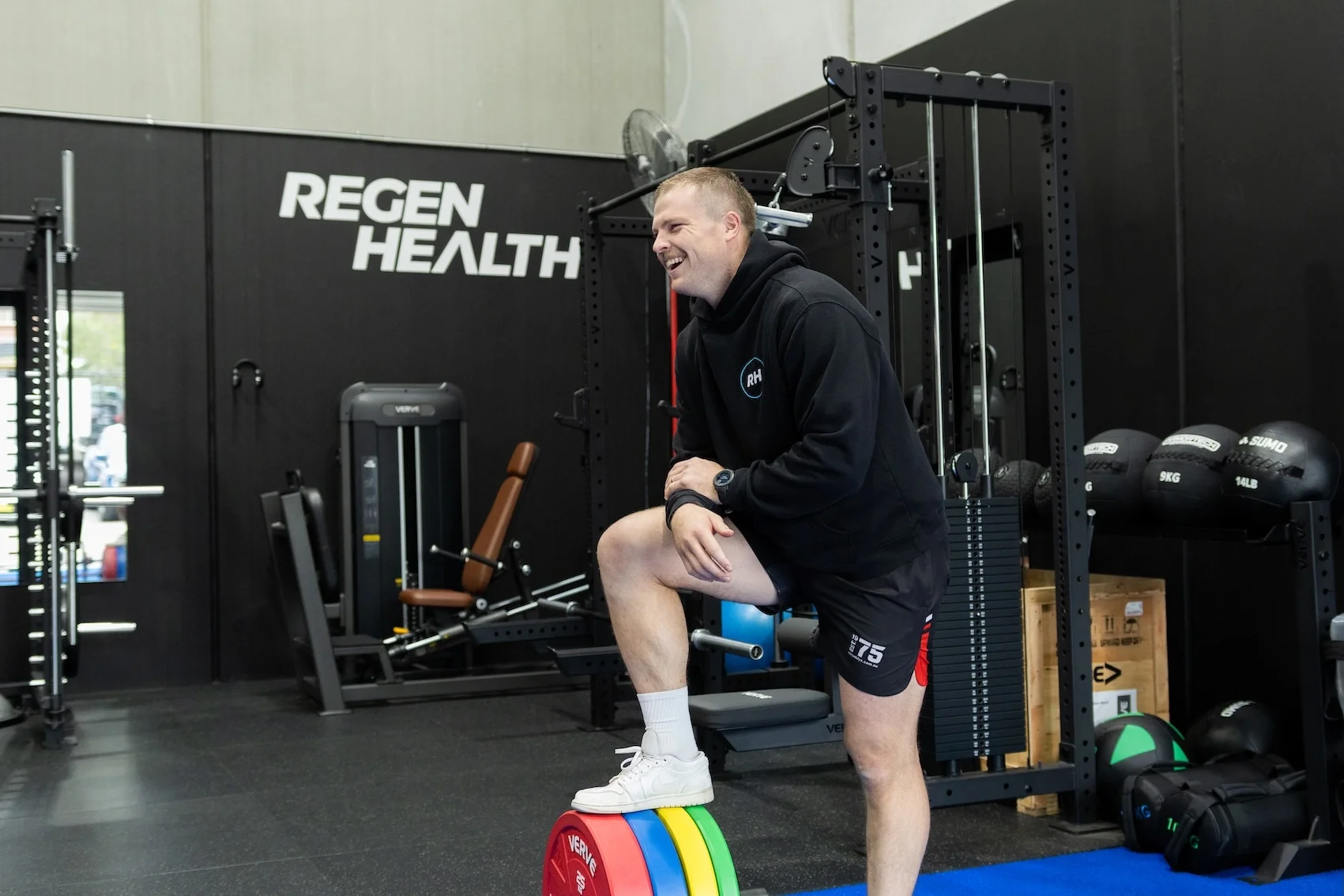
Your recovery is our priority.
Whether your knee pain developed after an injury or has gradually built up over time, our physiotherapists are committed to helping you get back to doing what you enjoy.
Your treatment plan is tailored to your symptoms, activity level, and recovery goals, with ongoing adjustments as you improve. We focus on building strength, improving mobility, and restoring knee function so you can move with greater ease.
Our goal is to help you recover well, stay active, and reduce the risk of ongoing knee problems. Book your knee physio appointment today and take the first step towards lasting relief.
Knee Pain FAQ
-
Absolutely. Physiotherapy is one of the most evidence-backed approaches for managing knee osteoarthritis and age-related wear and tear. Strengthening the muscles around the joint reduces the load on cartilage and can significantly improve comfort and function, often reducing the need for medication or delaying surgical intervention.
-
In most cases, yes. Staying active is encouraged. Your physiotherapist will help you identify which activities are safe to continue and which to modify temporarily. Complete rest rarely helps knee problems; the goal is to keep you moving in ways that support recovery rather than aggravate it.
-
Not usually. A skilled physiotherapist can assess your knee thoroughly through clinical examination and identify the likely cause of your pain without imaging. Scans are sometimes useful for ruling out specific structural issues, but they're rarely the first step and don't change the initial management approach in most cases.
-
A GP visit is valuable for ruling out serious pathology and managing medications, but a physiotherapy assessment goes deeper into how your knee moves, where strength and flexibility are lacking, and what's driving your symptoms mechanically. Your physio builds a hands-on treatment and exercise plan tailored specifically to restoring your function.
-
Yes, and this is more common than people realise. Hip weakness, tight calves, flat feet, or even lower back issues can all alter the way load travels through the knee. A thorough physio assessment checks for these contributing factors so treatment addresses the real source of the problem, not just where you feel it.
-
Return-to-sport readiness is based on objective markers, strength symmetry between legs, pain-free range of motion, and confidence under load, rather than just how the knee feels on a good day. Your physiotherapist will guide you through a progressive return plan so you're genuinely ready, reducing the risk of re-injury when you get back to full activity.