physiotherapy for osteoarthritis
Rated 5.0 by 70+ locals.
Joint Pain Limiting Your Everyday Movement? We’ve Got You Covered.
Osteoarthritis can affect how your joints feel and move during everyday activities. Stiffness and discomfort may also vary from day to day.
Our physiotherapists look at more than where it hurts. We assess how the affected joint moves, how well the surrounding muscles are working, and which movements are giving you the most trouble.
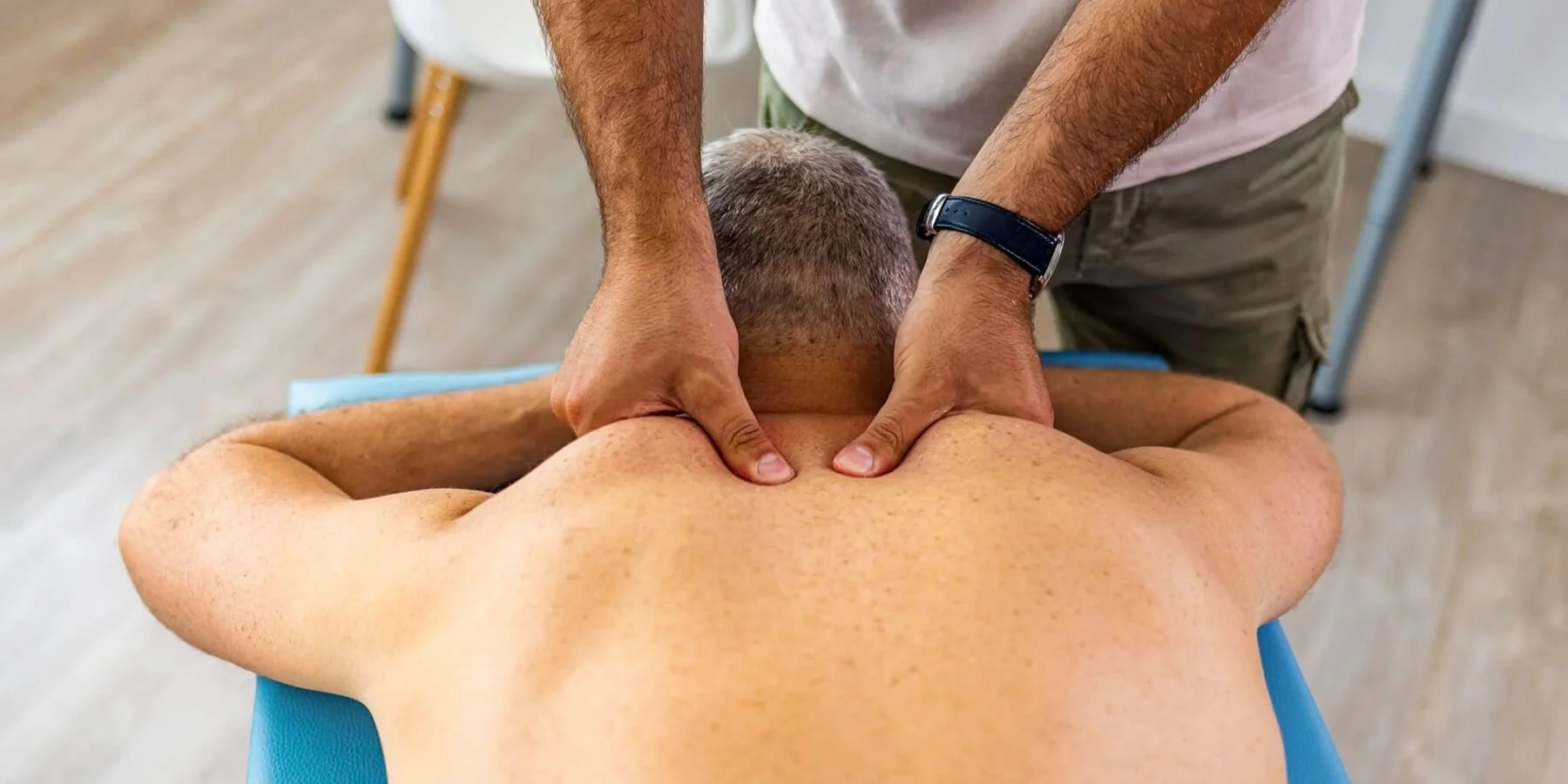
Your sessions may include mobility work, strengthening, deep tissue massage, and activity adjustments to help your joints move more comfortably.
Whether you want to walk further, return to exercise, or simply make daily tasks easier, we’ll help you work towards better movement and confidence.
OSTEOARTHRITIS Explained
Osteoarthritis can affect how a joint moves and feels. Understanding the condition can help you manage symptoms and stay active.
-
Osteoarthritis develops as the tissues within a joint gradually change over time. It isn’t simply a result of getting older, and several factors can influence how and when symptoms develop, including:
Previous injuries or trauma involving the joint
Repeated physical loads through work, sport, or daily activities
Changes in muscle strength and joint function
Age-related changes within the joint and surrounding tissues
Genetics and other individual factors that can affect joint health
-
The experience of osteoarthritis varies from person to person. Some people notice occasional stiffness, while others find certain movements or activities become increasingly uncomfortable. Symptoms may include:
Aching or discomfort in and around the affected joint
Stiffness when getting moving after sitting or resting
Reduced flexibility or difficulty moving through the usual range
Swelling, tenderness, or sensitivity around the joint
Difficulty with activities such as stairs, walking, lifting, or bending
-
Osteoarthritis can occur in different parts of the body, and the impact often depends on how much you rely on that joint throughout your day. Commonly affected areas include:
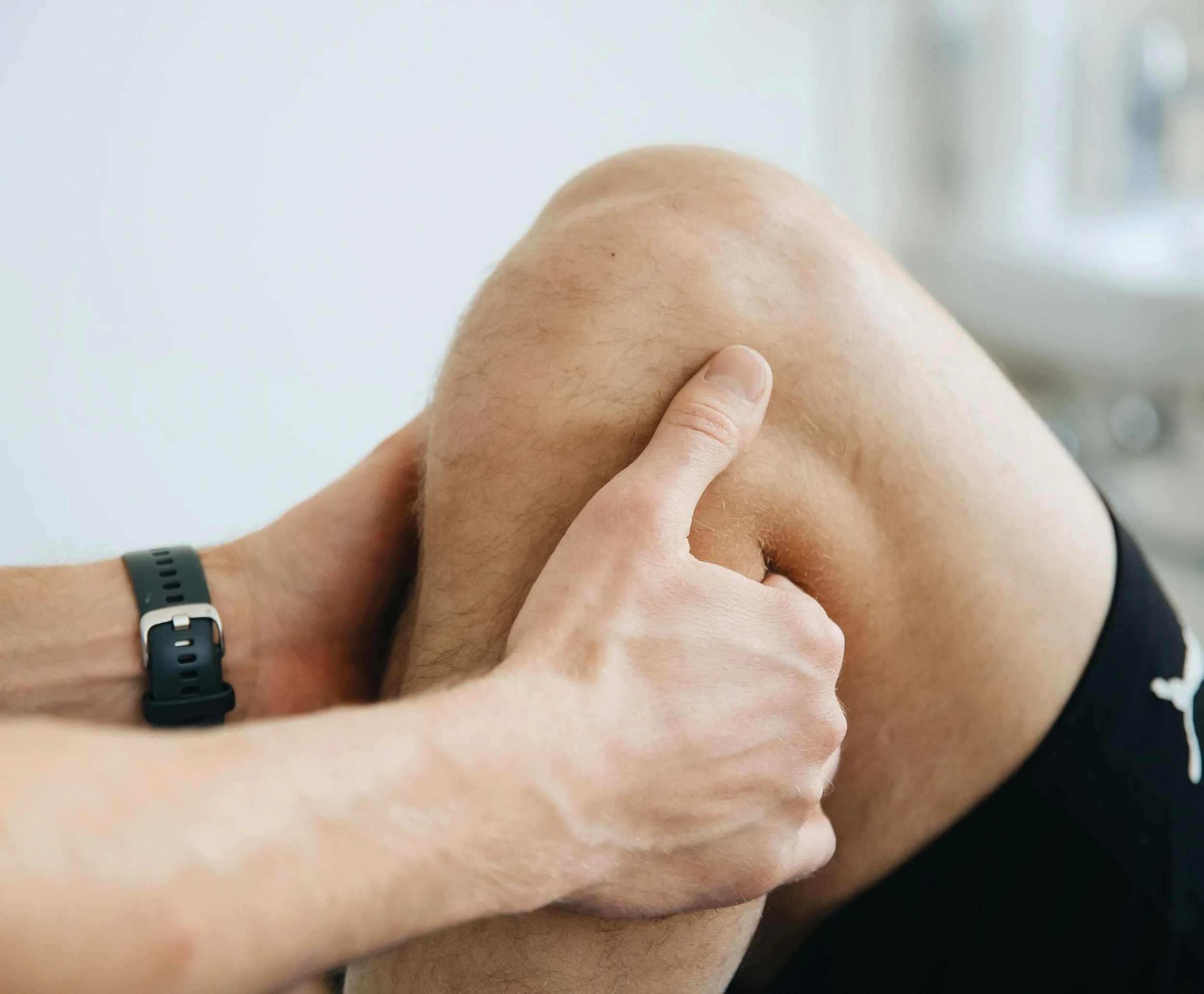
Knees, where symptoms may be noticeable with stairs, squatting, or longer walks
Hips, which can affect walking, getting up from a chair, or lower-body movement
Hands and fingers, particularly during gripping, carrying, or fine hand movements
The neck and lower back, where joint changes may contribute to stiffness or discomfort
Feet and ankles, which can make prolonged standing and walking less comfortable
Shoulders and other joints that are regularly used for work, exercise, and daily tasks
-
Physiotherapy for osteoarthritis is designed around keeping you moving rather than simply focusing on the painful joint. Your physio will look at your mobility, strength, balance, activity levels, and the specific movements you’re finding difficult.
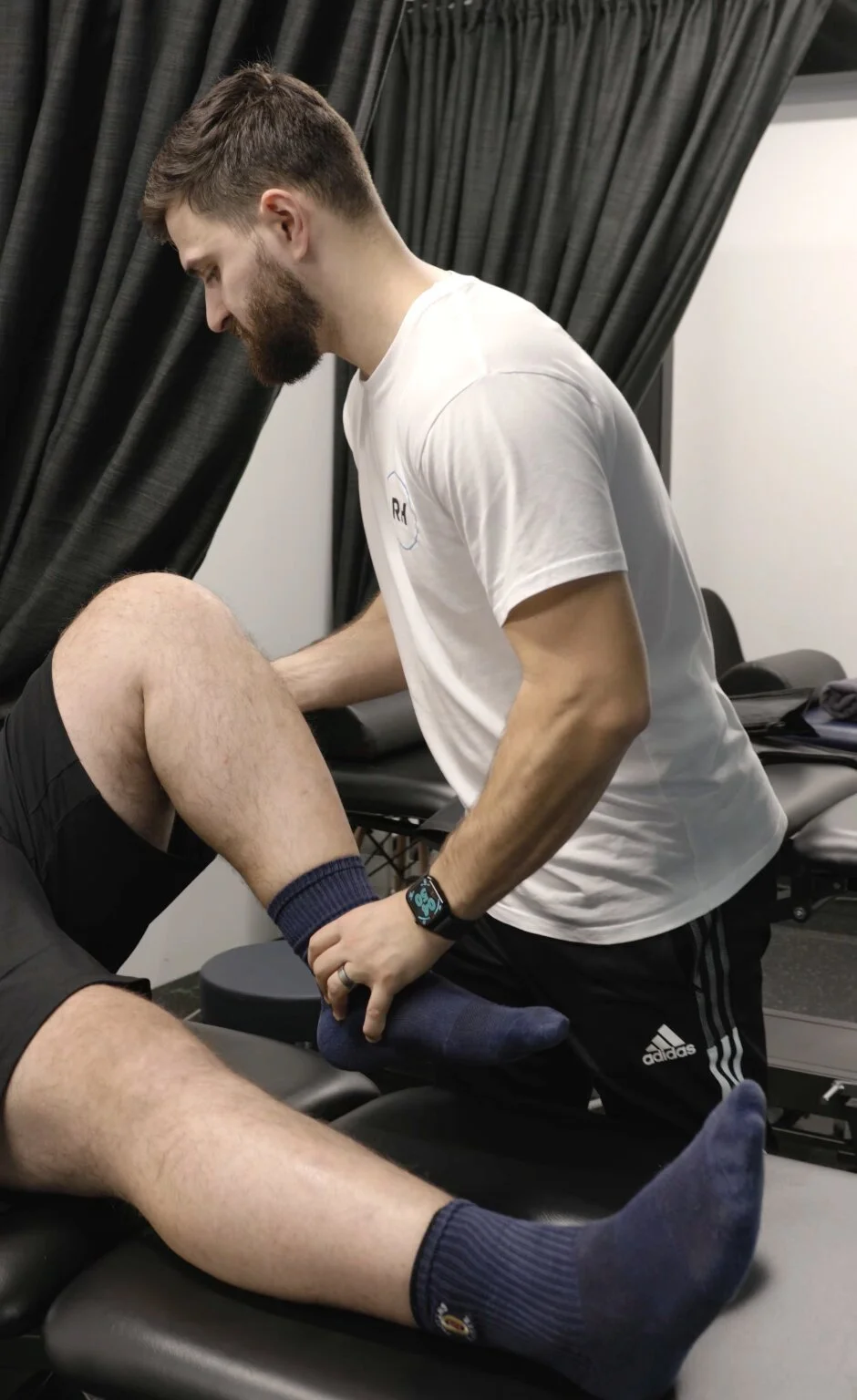
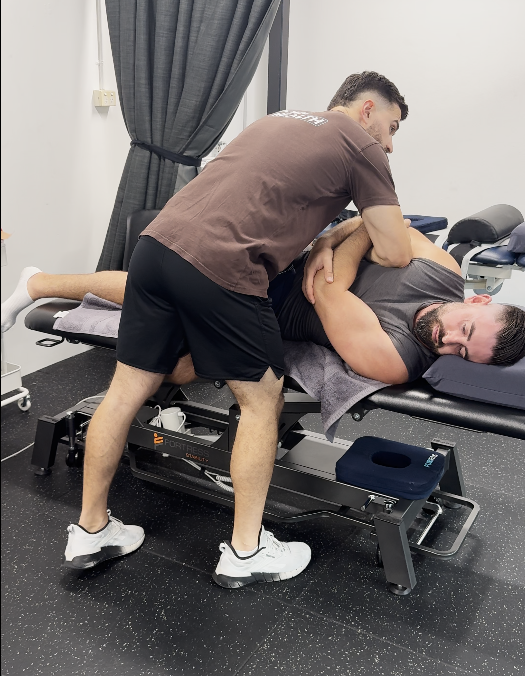
From there, treatment can include exercises that strengthen the muscles supporting the joint, mobility work, manual therapy, and strategies for adjusting activities during periods when symptoms are more noticeable.
Your program can progress as your body adapts. The aim is to improve what the joint and surrounding muscles can comfortably handle, so activities such as walking, exercising, working, and completing everyday tasks feel more manageable.
Your recovery is our priority.
Living with osteoarthritis doesn’t mean you need to stop doing the things you enjoy. Whether you’re finding stairs difficult, cutting back on exercise, or simply feeling stiffer than usual, we’ll help you find practical ways to keep moving.
Your treatment is built around what you want to achieve. We’ll work on the areas that need attention, gradually build strength and mobility, and adapt your program as your joints become better able to handle everyday activity.
Our physiotherapists give you practical strategies that support you beyond your appointments, helping you manage symptoms and move through daily life with greater comfort and confidence.
Osteoarthritis Physio FAQ
-
You don’t necessarily need to stop exercising whenever symptoms appear. The amount and type of activity may need to change depending on how your joint feels, but appropriate movement can still form an important part of managing osteoarthritis. A physio can help you find a level of exercise that suits your current capacity.
-
Stiffness is commonly noticed after a joint has been relatively still, such as first thing in the morning or after sitting for a while. Moving around can help the joint loosen up. If stiffness is persistent or affecting your normal routine, an assessment can help identify ways to make movement easier.
-
Having osteoarthritis doesn’t automatically mean giving up sport. Depending on your symptoms and the demands of your activity, you may benefit from changes to training volume, technique, recovery, or strength work. Your physio can help you build a plan around the sport you want to continue.
-
A temporary increase in symptoms doesn’t always mean the joint has been damaged further. During a flare-up, you may need to adjust how much you’re doing and choose movements that feel more manageable. Once symptoms settle, activity can usually be built back up gradually rather than avoided altogether.
-
Improving the strength of the muscles surrounding an affected joint can help support movement and make everyday activities easier to manage. Your strengthening program should be appropriate for your current ability and progressed gradually rather than pushing through excessive discomfort.
-
Yes. Even when joint changes have been present for a long time, there may still be opportunities to improve strength, mobility, physical capacity, and confidence with movement. Physiotherapy focuses on what you can improve now and how you can manage the condition over the longer term.