physiotherapy for
Kids & Babies
Rated 5.0 by 70+ locals.
Helping Your Child Move Through Every Stage With Confidence.
Every child develops differently. Sometimes babies and children need extra support with movement, strength, coordination, or physical milestones that are proving more challenging than expected.
Our kids physio sessions are tailored to your child’s age and needs. We assess how they move in a relaxed, supportive setting.
Treatment may involve play-based exercises, movement activities, strengthening, and practical guidance for parents. For babies, we can also provide strategies you can comfortably continue at home.
If you have concerns about your child’s movement or physical development, book an appointment with our team for an individual assessment.
Paediatric Physio Explained
Children develop at different rates, and movement changes as they grow. Physiotherapists can help with pain, injuries, mobility, or developmental concerns.
-
Children may benefit from physiotherapy for many different reasons, from recovering after an injury to developing strength or movement skills. Common reasons families seek support include:
Delayed or challenging movement milestones
Difficulties with balance and coordination
Pain or injuries related to sport and activity
Changes in walking or running patterns
Reduced strength, mobility, or confidence with movement
-
Physio for babies is designed to support movement and physical development during the early stages of life. Parents may seek an assessment if they notice:
A preference for turning the head to one side
Difficulty with tummy time or certain positions
Concerns about head shape alongside movement preferences
Differences in how their baby uses one side of the body
Movement milestones that appear difficult or delayed
-
Kids physio can support a broad range of movement, mobility, and musculoskeletal concerns. The approach will depend on your child’s age and individual presentation, including:
Sporting and playground injuries
Joint or muscle pain affecting normal activity
Balance, coordination, or movement difficulties
Walking, running, or general mobility concerns
Strength and flexibility limitations
Physical challenges affecting participation in everyday activities
-
Paediatric physiotherapy starts by understanding what you and your child are finding difficult. Depending on their age, the assessment may look at movement, strength, mobility, balance, coordination, and relevant developmental skills.
Sessions are adapted to help children feel comfortable and involved. Treatment may use games, movement challenges, exercises, and age-appropriate activities rather than expecting younger children to follow an adult-style rehabilitation program.
Parents and carers are part of the process too. We can provide practical activities and strategies for home, helping your child practise useful movements between appointments as part of their normal routine.
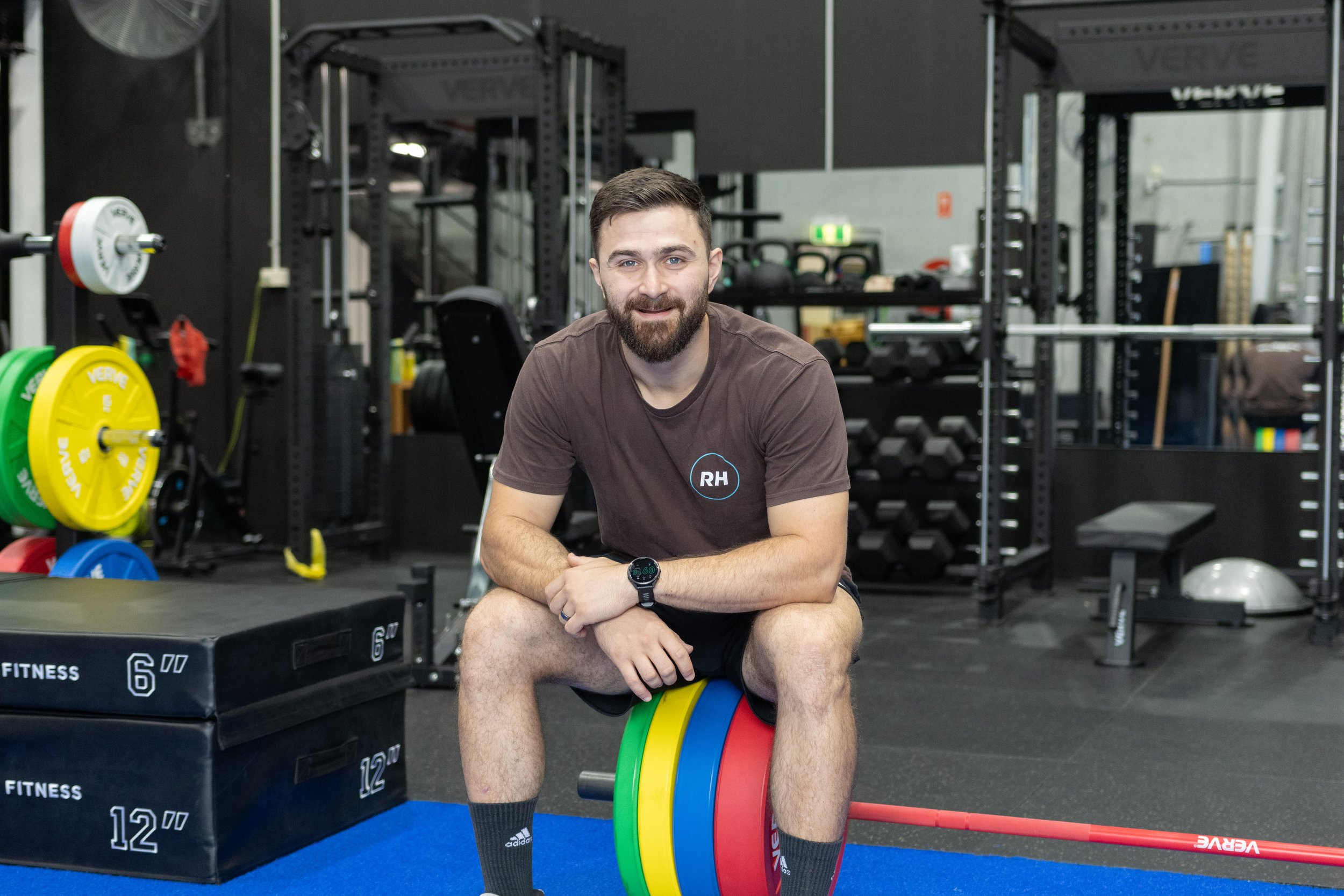
Supporting Your Child’s Movement at Every Stage.
For children, physiotherapy should feel approachable rather than clinical or intimidating. We create a supportive environment where your child can move, play, and participate at a pace that suits them.
Every plan is individual. As your child develops, we can adapt activities to their abilities and goals, whether they’re learning new movement skills, returning to sport, or becoming more confident with everyday physical activity.
Our focus is on helping children build useful movement skills while giving parents clear, practical guidance along the way. Book an appointment with our physiotherapists to discuss how we can support your child.
KIDS & BABY PHYSIO FAQ
-
The first appointment gives us time to understand your concerns and see how your child moves. Depending on their age and reason for attending, this may include observing walking, play, balance, strength, mobility, or developmental movements. We’ll then discuss what we’ve found with you.
-
Comfortable clothes that allow your child to move freely are usually best. For older children, shorts and a T-shirt can make movement easier to assess. For babies, your physio may need to observe how different parts of the body move during play and positioning.
-
A physio for babies can look at why tummy time is difficult and suggest positions or activities suited to your baby. Small adjustments can sometimes make tummy time easier to practise and incorporate into your baby’s usual routine.
-
Not in the traditional sense. Kids physio often uses games, play, movement challenges, and activities that encourage children to practise particular skills. The aim is to make rehabilitation appropriate for their age while still working towards clear physical goals.
-
Physiotherapy can support children recovering from sporting injuries by gradually rebuilding movement, strength, and confidence. Rehabilitation can also be adapted to the running, jumping, throwing, or other physical demands involved in their particular sport.
-
Parents and carers are often an important part of paediatric physiotherapy, particularly for babies and younger children. Being involved can also help you understand the activities or strategies your child may need to practise at home.