
Physiotherapy For
Runners
Rated 5.0 by 100+ locals.
From Running Injuries to Ongoing Aches, We’ve Got You Covered.
A niggle that appears a few kilometres into a run can quickly become frustrating. Pain during or after running may start affecting your distance, pace, or confidence.
At Regen Health, we assess runners with everything from new injuries to recurring problems that keep resurfacing as training builds. We look at the painful area as well as strength, movement, recent workload, and the demands of your usual running.
Physio for runners may include strengthening, running-specific exercises, hands-on treatment, and training adjustments to help your body handle the demands of running.
If pain is making you cut runs short, skip sessions, or wonder whether you should be running at all, book an appointment and get a plan built around your training.
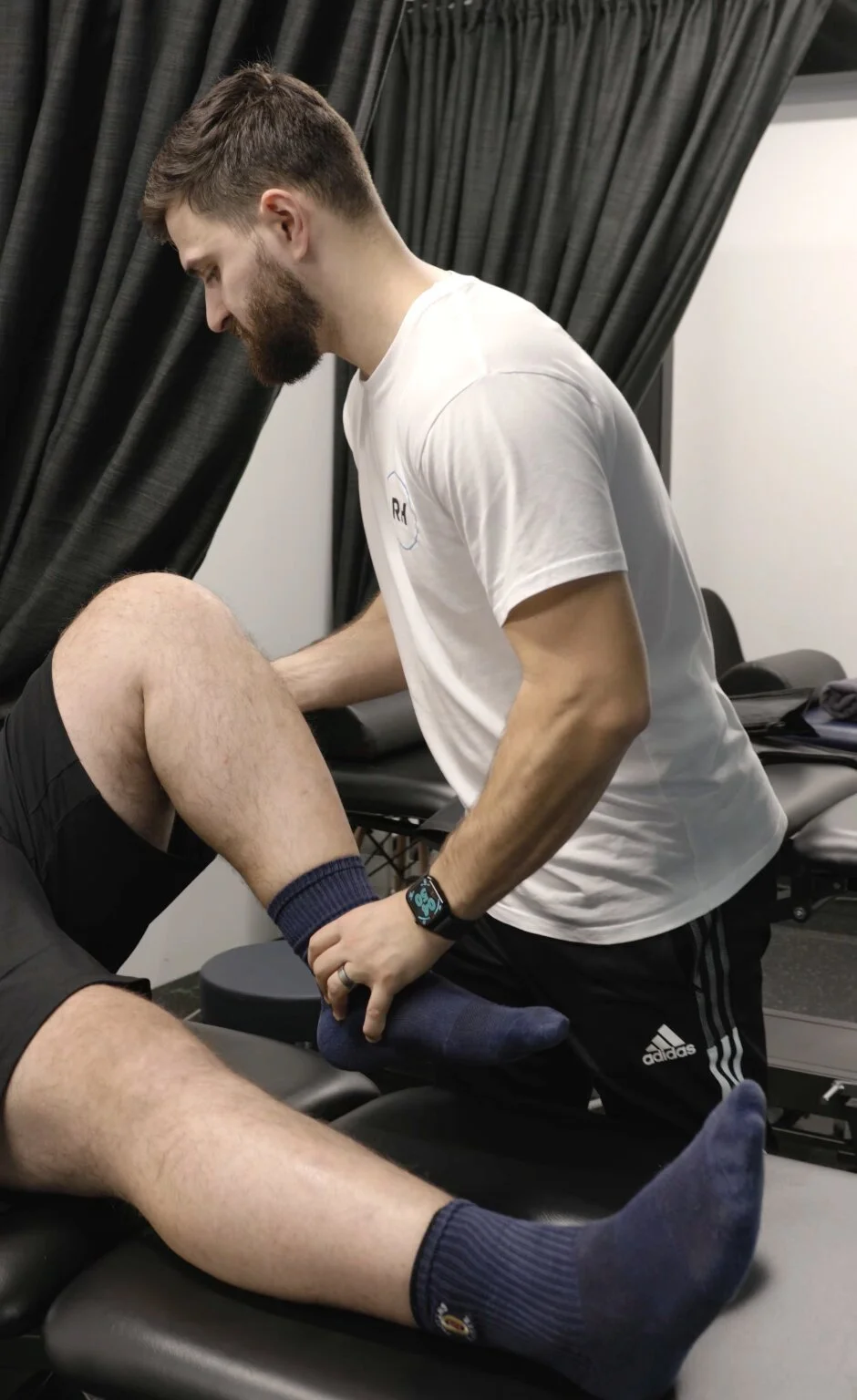
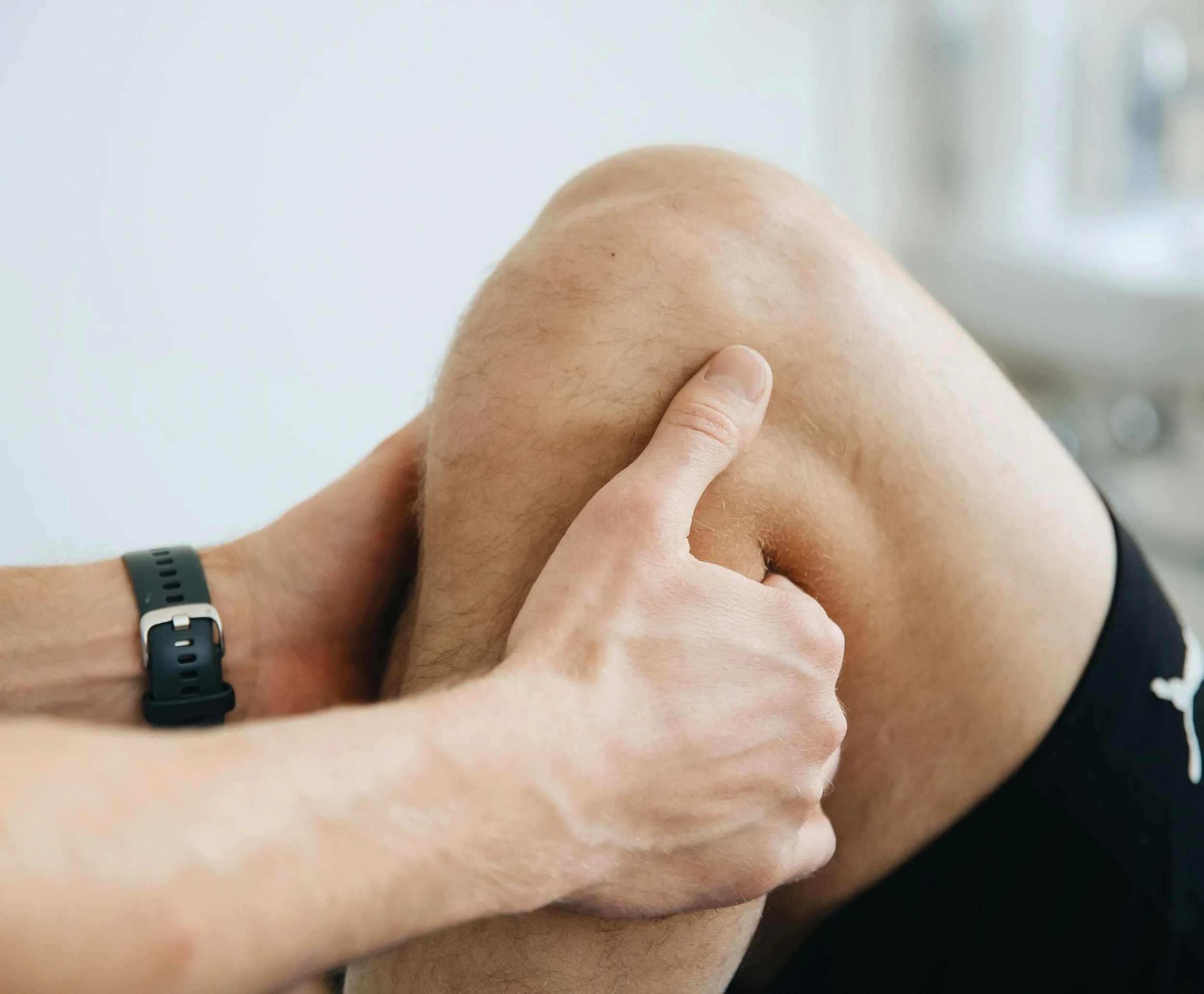
RUNNING INJURIES Explained
Running places repeated load through the legs with every step. Problems often develop when a particular area is being asked to handle more than it is currently ready for.
-
Running-related pain can develop due to:
Sudden increases in weekly distance
Adding more speed work, hills, or harder sessions
Limited recovery between training days
Strength or capacity limitations in the lower body
Returning to running too quickly after a previous injury
-
Running injuries may cause:
Pain during or after a run
Stiffness when getting up the following morning
Local tenderness or swelling
Symptoms that appear earlier as training continues
Changes to your stride or confidence while running
-
Our physiotherapists regularly assess running-related problems such as:
Patellofemoral pain and runner's knee
Shin splints
Achilles tendinopathy
Plantar fasciitis and heel pain
Calf and hamstring strains
Hip and gluteal pain
-
Your physio will look at when symptoms appear, how your training has changed, and what the affected area can currently tolerate during strength and movement testing.
Treatment may involve progressive strengthening, mobility work where relevant, running-specific rehabilitation, and temporary adjustments to distance, pace, hills, or weekly training volume.
The aim is to build enough capacity for the demands of running rather than simply getting the painful area comfortable while you are resting.

Your recovery is our priority.
Getting back to running is rarely just a matter of waiting until the pain disappears. Your body also needs to be ready for repeated impact, longer distances, changes of pace, and the accumulated load of training across an entire week.
We progressively bridge that gap. Early rehabilitation may focus on strength and controlled loading before introducing short runs, longer sessions, faster efforts, hills, or sport-specific demands as your tolerance improves.
Your plan is built around the runner you want to get back to being, whether that means comfortable five-kilometre runs, regular training, trail running, or preparing for an event. We want you returning with a clear idea of how to build your kilometres confidently.
Physio for Runners FAQ
-
Yes. Runner's knee commonly refers to pain around the kneecap associated with running and other loaded activities. Physio can assess the factors relevant to your symptoms and use strengthening and training modifications to gradually rebuild tolerance.
-
Not always. Some running injuries can be managed while continuing a modified amount of running, while others need a temporary break from impact.
Your physio can help determine whether distance, speed, frequency, or terrain needs changing rather than automatically removing running altogether.
-
Pain settling is only one consideration. Your physio may also look at strength, hopping or impact tolerance, movement, and how the injured area responds to increasing load before progressing your running.
-
Yes. Recurring injuries are worth looking at beyond the latest flare-up. Your physio can review your previous rehabilitation, strength, training progression, recovery, and the workloads that tend to trigger the problem.
-
Running movement can be useful to assess when it is relevant to your symptoms, but there is no single perfect running technique everyone needs to copy.
Any changes should have a clear reason and fit your injury, goals, and current running style rather than changing your form simply because it looks different.
-
Pain that becomes very localised over a bone, worsens progressively with impact, causes significant swelling, or prevents you from bearing weight should be assessed rather than pushed through.
Sudden severe pain, a noticeable pop, or a rapid loss of strength or function also warrants prompt assessment before returning to running.