Taping
What is taping?
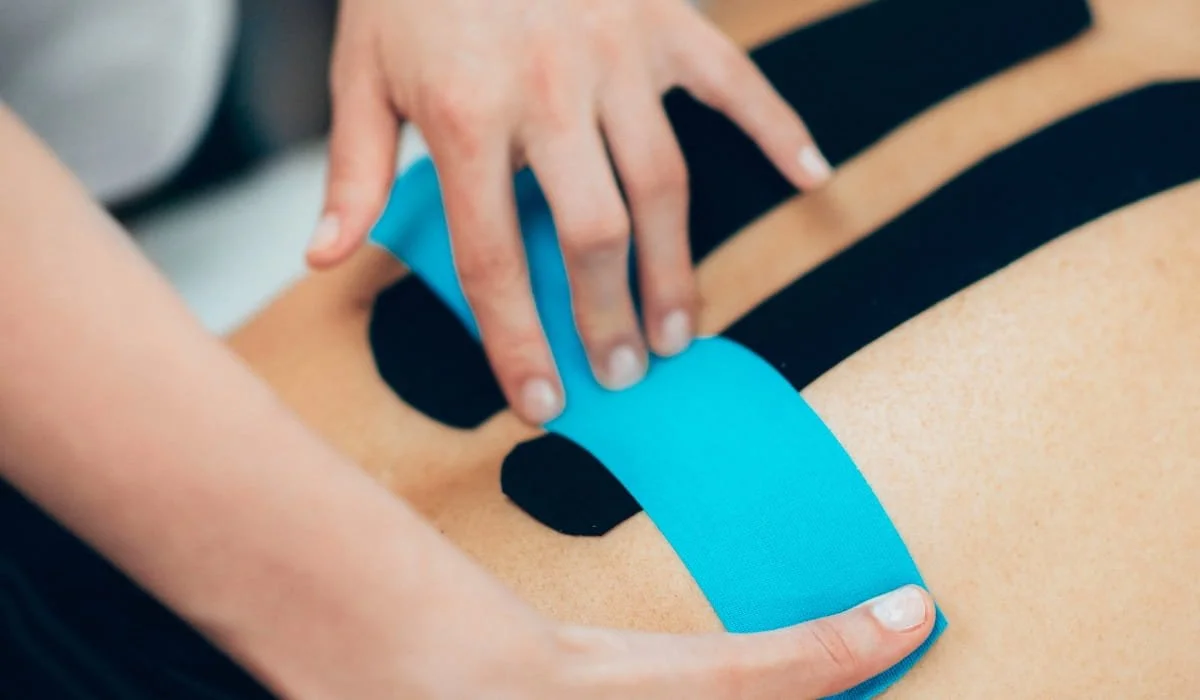
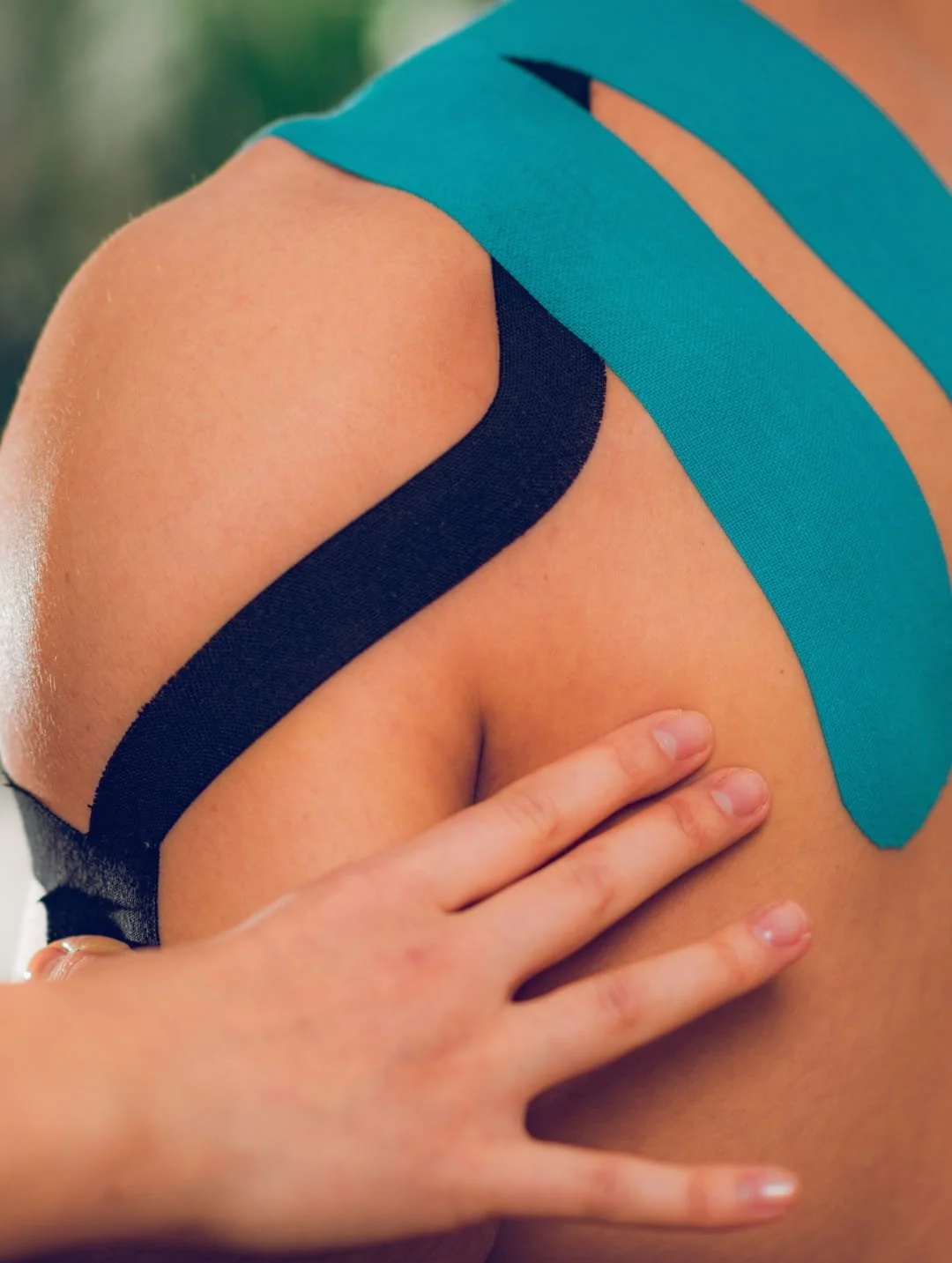
Taping is a supportive treatment technique used to protect injured tissues, improve movement, and reduce strain during recovery or physical activity. Different taping methods may be used to support muscle and joint function based on your needs.
It’s commonly used for sports injuries, joint instability, overuse issues, and situations where extra support may help you move more comfortably or confidently.
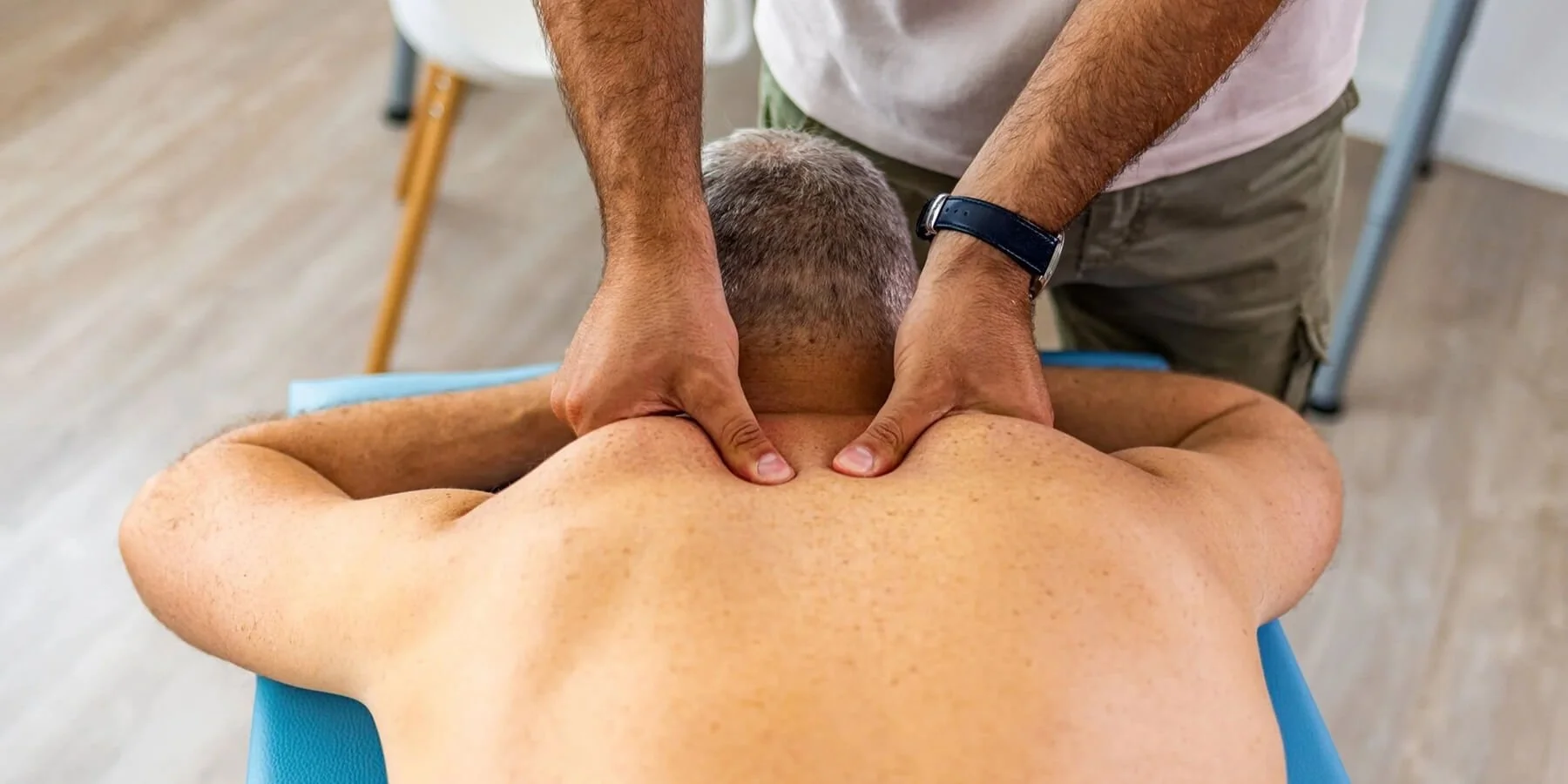
At Regen Health, taping may be used as part of your physiotherapy treatment alongside cupping therapy, dry needling, and injury management strategies to support your recovery.
What are the benefits?
Provides extra support: Helps support muscles, joints, or injured areas during movement.
Reduces strain on injured tissues: May help offload stress from irritated muscles, tendons, or ligaments.
Improves movement confidence: Can provide reassurance and support while returning to activity.
Supports injury recovery: Often used to help manage acute injuries or recovery during rehab.
Useful for sports and activity: Can assist during training, exercise, or physically demanding movement.
Works alongside rehab treatment: Best used as part of a broader physiotherapy recovery plan.
Taping FAQ
-
Taping is commonly used for ankle sprains, knee pain, shoulder issues, tendon irritation, muscle strains, and other injuries where additional support may be helpful.
-
Not always. Different taping methods serve different purposes, with some focused on support and stability, while others aim to assist movement or reduce muscular strain.
-
This depends on the type of tape used and your activity level. Some taping is designed for short-term support, while kinesiology tape may stay on for several days.
-
Yes, in many cases taping is specifically used to support movement during exercise, sport, or physical activity. Your physio will advise what’s appropriate for your injury.
-
No. Taping is a supportive tool to help manage symptoms, protect tissues, and assist movement, but it’s usually most effective when combined with proper treatment and rehab.
-
Some taping techniques are designed to limit certain movements for protection, while others are intended to support movement more freely. It depends on your treatment goal.