
Physiotherapy For
Sciatica Pain
Rated 5.0 by 100+ locals.
We’ll help you get to the source of your sciatica pain.
Sciatica can cause pain, aching, or tingling that travels from your lower back into the hip and leg. It can make everyday activities like sitting, walking, working, or staying active more difficult.
The good news is, physiotherapy can help. Our experienced physiotherapists identify what's contributing to your sciatica before creating a personalised treatment plan to support your recovery.
We help people with a wide range of sciatica-related issues, including nerve irritation, lower back stiffness, muscle tightness, reduced mobility, and movement habits that place extra strain on the body.
By addressing the underlying cause, we help reduce pain, restore movement, and lower the risk of future flare-ups.
If sciatica is getting in the way of daily life, book an appointment today and let our team help you move with greater comfort again.
Sciatica Pain Explained
Sciatica is a common condition that can cause pain, tingling, or numbness from the lower back into the leg. Here's a breakdown of how physiotherapy care can help.
-
Sciatica develops when the sciatic nerve becomes irritated or compressed. Common causes include:
Bulging or herniated discs
Tight muscles placing pressure on the nerve
Age-related changes in the spine
Poor posture or prolonged sitting
Repetitive lifting or physically demanding work
-
Symptoms can vary from person to person depending on the cause and severity. Common signs include:
Pain that travels from the lower back into the buttock or leg
Tingling or pins and needles
Numbness in the leg or foot
Muscle weakness in the affected leg
Pain that worsens with sitting or certain movements
-
Certain activities and habits can aggravate sciatica symptoms, including:
Sitting for long periods
Heavy lifting or repeated bending
Twisting movements
Poor posture
Sudden increases in physical activity
-
Sciatica is often linked to irritation or compression of the sciatic nerve, but the underlying cause can differ from person to person. Physiotherapy begins with a thorough assessment to determine what's contributing to your symptoms, allowing treatment to focus on the source of the problem rather than simply masking the pain.
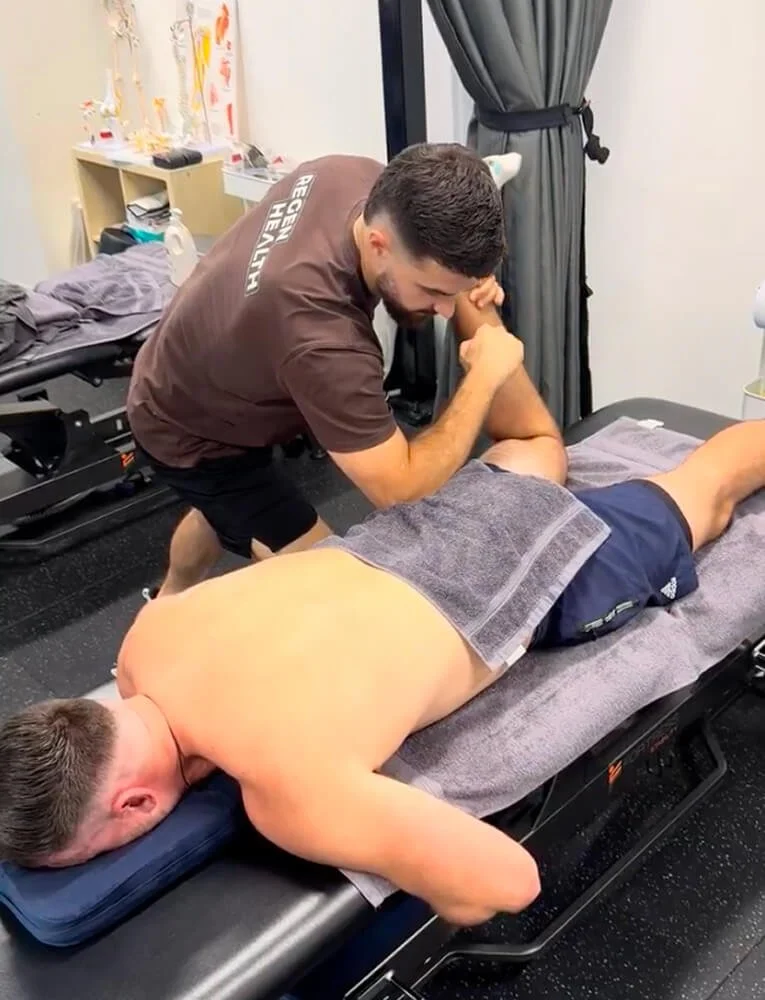
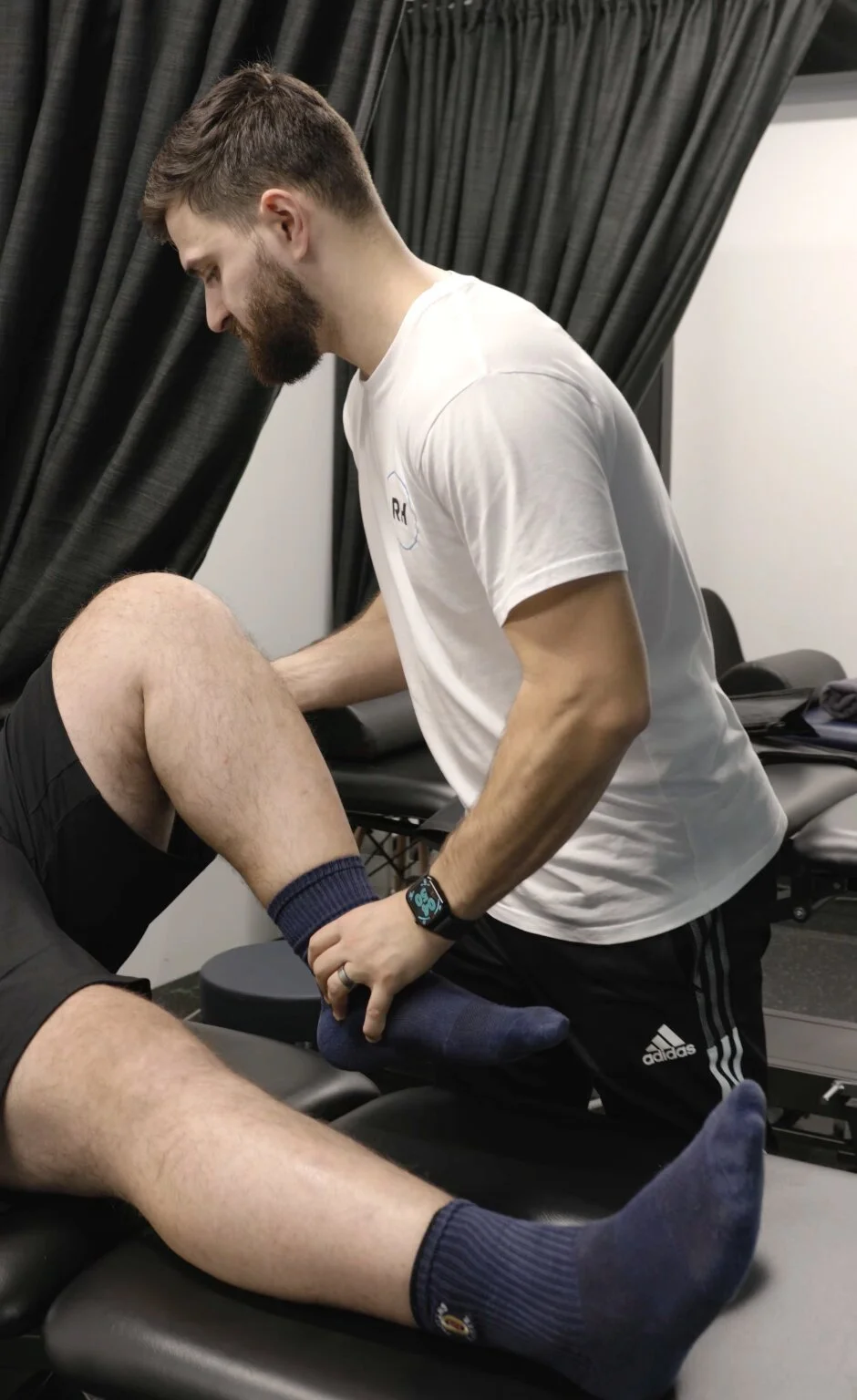
Your physiotherapist may use a combination of hands-on therapy, targeted exercises, nerve mobility techniques, and movement retraining to ease nerve irritation, improve flexibility, and restore normal movement. As your symptoms settle, your program will be adjusted to match your progress and activity goals.
Recovery doesn't stop once the pain improves. We'll also help you build strength, improve movement patterns, and provide practical advice to reduce strain on your lower back and minimise the risk of future sciatica flare-ups.

Your recovery is our priority.
Sciatica doesn't have to become something you simply put up with. With the right treatment and guidance, it's possible to reduce pain, improve movement, and get back to everyday activities with greater confidence.
Your physiotherapist will create a personalised treatment plan based on your symptoms, lifestyle, and goals. As your recovery progresses, we'll adapt your treatment to improve strength, mobility, and the way your body moves.
Our focus is on helping you achieve lasting results, not just short-term relief. We'll work with you every step of the way so you can move more comfortably and reduce the risk of future flare-ups.
Sciatica Pain FAQ
-
Many people notice a meaningful reduction in leg pain within four to six weeks of consistent physio treatment. Cases where the nerve has been compressed for a long time, or where a disc bulge is significant, can take longer to fully resolve.
Your physio will give you a clearer timeline after assessing the severity and pinpointing the source of compression.
-
Yes. Gentle, guided movement is generally encouraged even during a flare, because complete rest can allow surrounding muscles to stiffen and slow recovery. The key is avoiding positions and loads that reproduce the sharp or shooting leg pain.
Your physio will show you which movements are safe and beneficial at each stage, so you're not guessing or risking a setback.
-
Sciatica can recur if the underlying contributors, such as poor hip mobility, weak core muscles, or sustained sitting postures, aren't addressed as part of recovery. Physio doesn't just treat the episode; it works to reduce the risk of it happening again.
Sticking with the home exercise program your physio prescribes is one of the most reliable ways to keep symptoms from returning.
-
You don't need a GP referral to book a physio appointment for sciatica in Australia. A scan can be useful if your physio suspects a significant disc injury or wants to rule out other causes, but it's rarely the first step.
Your physio can assess your symptoms clinically and advise whether imaging would genuinely change your treatment plan.
-
General lower back pain stays localised around the lumbar region, whereas sciatica involves nerve, referred symptoms that travel into the buttock, thigh, calf, or foot. That radiating quality, especially when accompanied by tingling or numbness, is the hallmark sign that the sciatic nerve is involved.
Getting an accurate diagnosis matters because the treatment approach differs; nerve-related pain responds best to techniques that specifically address nerve mobility and compression.
-
Prolonged sitting increases pressure on the lumbar discs and can shorten the hip flexors and piriformis muscle, both of which raise the risk of sciatic nerve irritation over time. It doesn't cause sciatica overnight, but sustained desk posture without regular movement breaks is a well-recognised contributing factor.
Adjusting your workstation setup and building in regular movement through the day is something your physio can guide you on as part of a broader management plan.