Physio for Jaw PAIN & TMJ
Rated 5.0 by 100+ locals.
Struggling With Jaw or TMJ Pain? We’re Here to Help.
Jaw pain can show up while chewing, opening your mouth, speaking, or first thing in the morning. You might also notice clicking, tightness, headaches, or a feeling that your jaw is not moving normally.
At Regen Health, our physiotherapists assess jaw and temporomandibular joint concerns to understand whether the joint, surrounding muscles, neck, or other movement factors may be contributing to your symptoms.
Treatment may include gentle hands-on techniques, exercises for the jaw and neck, movement retraining, and practical advice around habits that aggravate your symptoms. Your treatment is shaped around what you are experiencing day-to-day.
If jaw pain is making meals, conversations, sleep, or everyday life harder, book an appointment with our team and get a clearer picture of what is going on.

JAW & TMJ PAIN Explained
Jaw problems can feel surprisingly disruptive. Here’s what may be contributing to your symptoms and how physio for jaw & TMJ concerns may help.
-
TMJ symptoms can develop for several reasons, and there is not always one single trigger. Factors may include:
Clenching or grinding your teeth, particularly during sleep
Overworking the jaw through chewing, biting, or repetitive habits
An injury or direct impact involving the face or jaw
Changes in how the jaw joint or surrounding muscles are moving
Tension or sensitivity through the jaw, face, head, or neck
TMJ dysfunction can involve the joint itself or the muscles around it, with symptoms such as pain, clicking and difficulty opening or closing the mouth.
-
Jaw problems do not always present as pain alone. People may experience:
Aching or tenderness around the jaw or face
Clicking, popping, or grinding during movement
Difficulty opening the mouth comfortably or fully
Jaw symptoms when chewing harder or chewy foods
Head, temple, ear-area, or neck discomfort alongside jaw symptoms
-
Common jaw conditions our physiotherapists can assess include:
Temporomandibular joint dysfunction
Jaw muscle pain and tightness
Symptoms associated with clenching or grinding
Restricted or uncomfortable jaw movement
Jaw pain associated with neck discomfort
Ongoing symptoms following a previous jaw injury
-
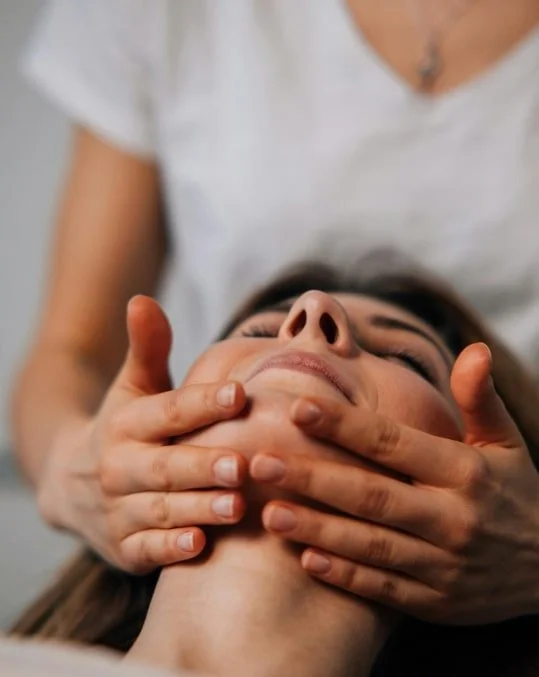
Your assessment looks beyond where it hurts. Your physio may check how your jaw opens and closes, the muscles around your jaw and face, and how your neck is moving.
Treatment can involve gentle manual therapy, exercises, movement strategies, and advice about temporarily modifying behaviours or activities that repeatedly irritate your jaw.
The aim is to make everyday jaw movement more comfortable while helping you understand the factors that may be keeping your symptoms going.
MAKE EVERYDAY JAW MOVEMENT FEEL EASIER.
Jaw symptoms can follow you through the entire day, from breakfast and conversations to concentrating at work or winding down at night. Treatment focuses on improving comfort without unnecessarily avoiding normal movement.
Your rehabilitation is adjusted around your symptoms and the activities that matter to you. We can progressively work on movement, muscle capacity, and habits that influence how your jaw feels.
Our goal is to help you understand your jaw better and feel more comfortable using it. Book your physio appointment and start working towards easier everyday movement.
PHYSIO FOR JAW & TMJ FAQ
-
A clicking jaw does not automatically mean something serious is wrong, particularly if the click is painless. However, clicking accompanied by pain, locking, restricted movement, or difficulty eating is worth having assessed.
A physio can examine how your jaw moves and determine whether the joint, muscles, neck, or movement pattern may be relevant to your symptoms.
-
Morning jaw discomfort can sometimes be associated with clenching or grinding your teeth overnight. Other factors can also contribute, so an assessment is useful if you regularly wake with jaw tightness, facial aching, headaches, or tooth sensitivity. Teeth grinding is a recognised contributor to TMJ symptoms.
-
Not necessarily. If particular foods require a lot of chewing or consistently aggravate your symptoms, temporary modifications may be useful. Your physio can help you decide what is reasonable without unnecessarily restricting how you use your jaw.
-
Jaw and neck symptoms can occur together, which is why your assessment may include both areas rather than looking at the TMJ in isolation.
If neck movement or surrounding muscles appear relevant, your treatment plan can address those factors alongside exercises and strategies aimed directly at the jaw.
-
No. Pain around the jaw and face can have several possible causes, and not all of them are musculoskeletal.
A physiotherapy assessment can identify whether the symptoms appear suitable for physio management. If they do not, your physio may recommend assessment by your GP, dentist, or another appropriate health professional.
-
Seek prompt medical care following significant facial trauma, particularly if your jaw appears displaced, you cannot close your mouth normally, or movement suddenly becomes severely restricted.
A suspected jaw dislocation requires medical treatment and should not be pushed or manipulated back into place yourself.