Physiotherapy For
Shoulder Pain
Rated 5.0 by 70+ locals.
Don't let shoulder pain hold you back from the things you enjoy.
Shoulder pain can make everyday activities like reaching, lifting, exercising, or even sleeping uncomfortable. Whether it started suddenly or developed over time, the right treatment can help.
At Regen Health, our physiotherapists identify the source of your pain and treat a wide range of shoulder conditions, including rotator cuff injuries, frozen shoulder, bursitis, and shoulder impingement.
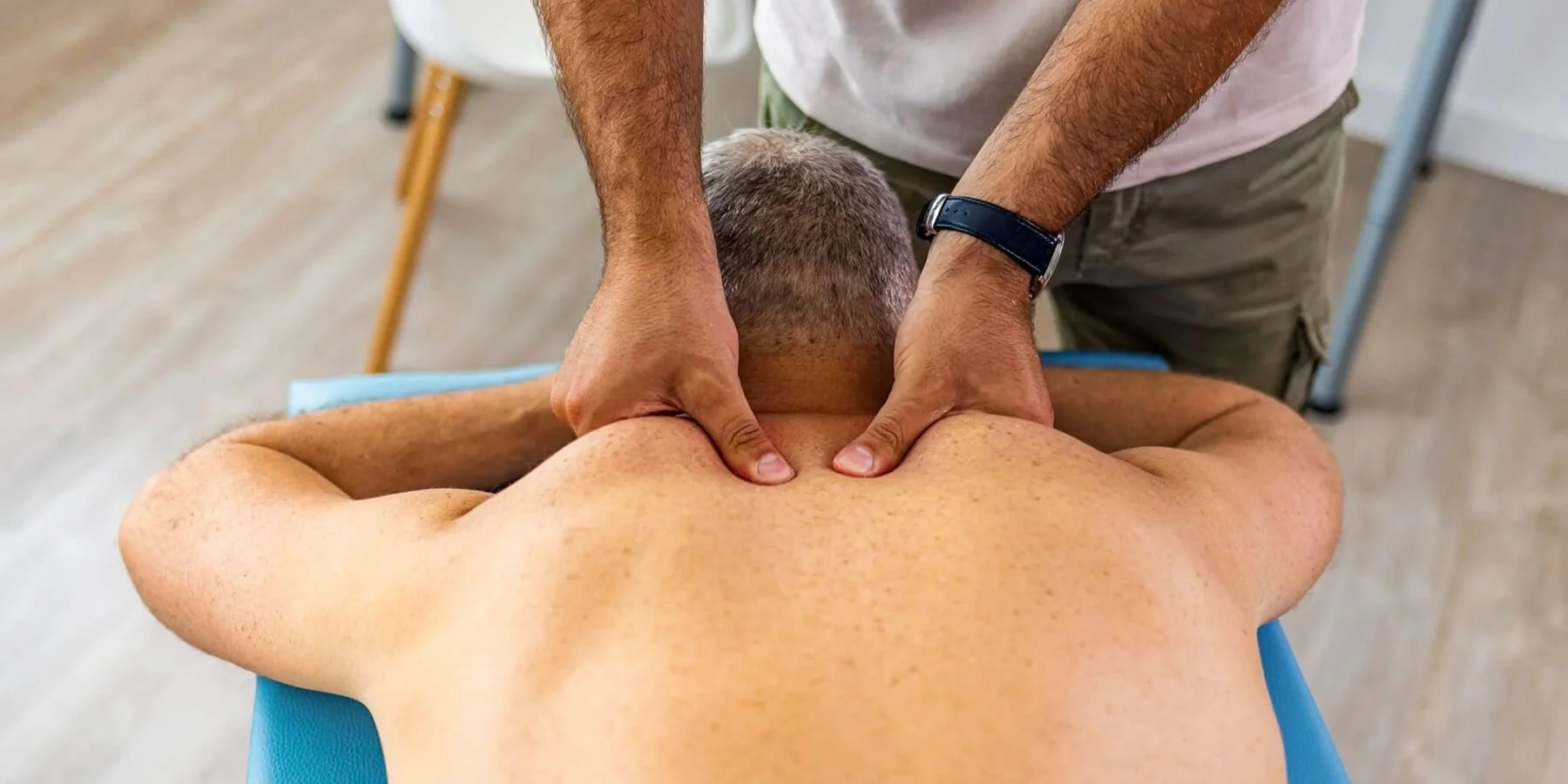
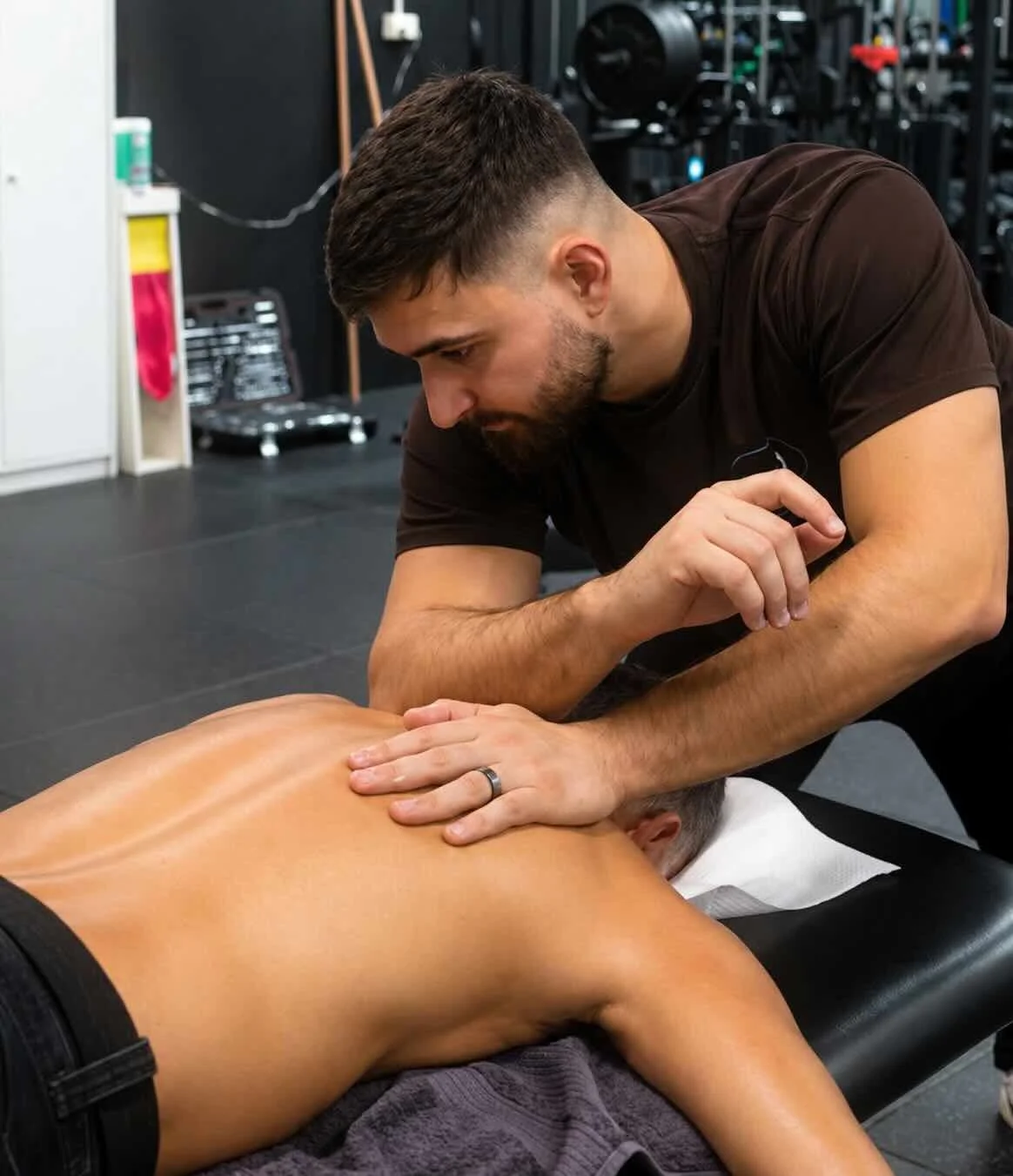
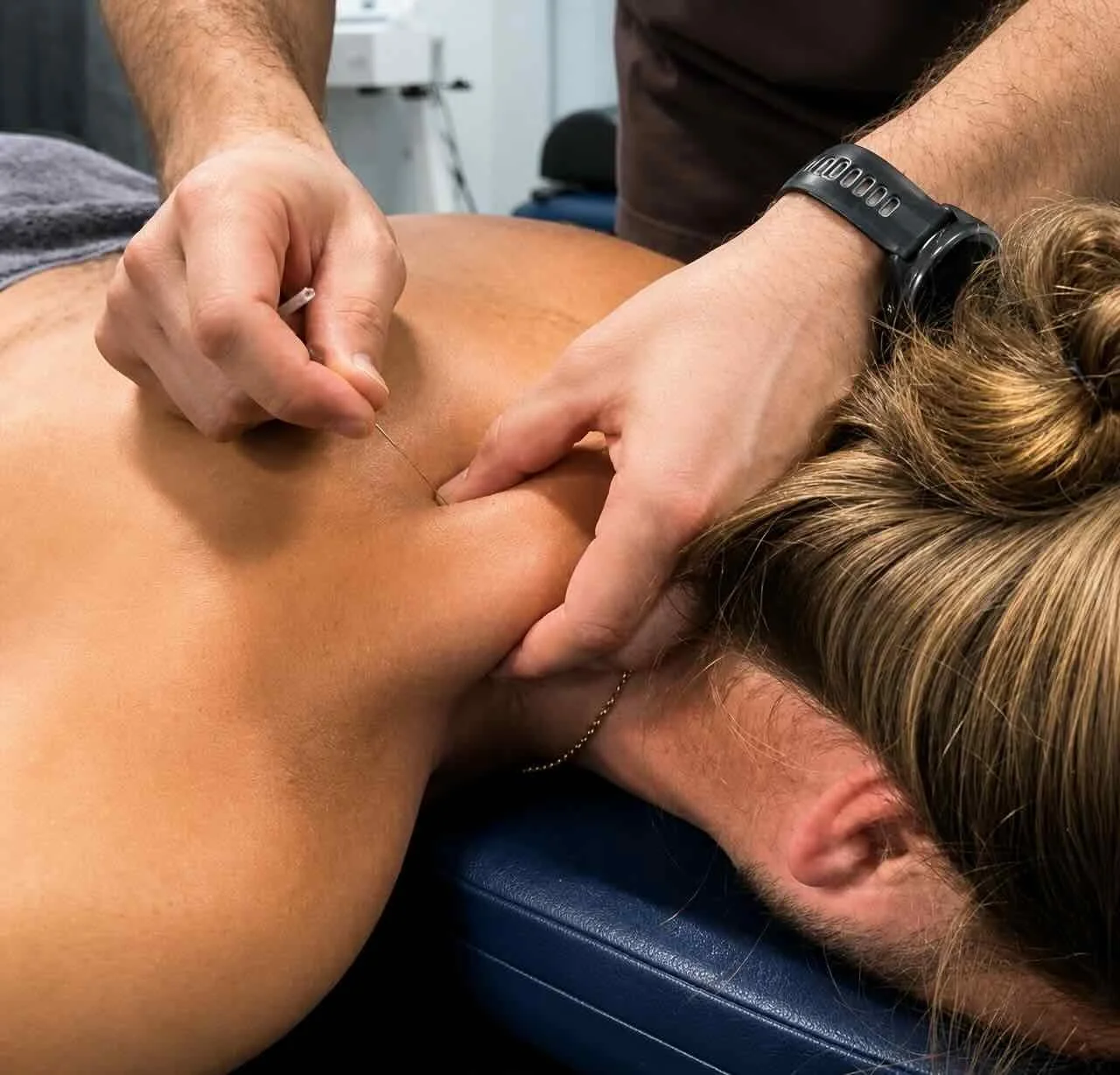
Treatment may include hands-on therapy, targeted rehabilitation exercises, and practical advice to restore movement, build strength, and support long-term recovery. We also assess your neck, upper back, and posture to identify any contributing factors.
If shoulder pain is limiting your everyday life, book an appointment with our team and take the first step towards lasting relief.
Shoulder Pain Explained
Shoulder pain can make everyday movement difficult. Here's a guide to common shoulder conditions and how physiotherapy can help.
-
Shoulder pain can develop for many reasons, including injury, overuse, or changes in the muscles, tendons, or joints. Common causes include:
Rotator cuff injuries from lifting, sport, or repetitive movements
Shoulder impingement caused by irritated tendons or bursae
Frozen shoulder resulting in pain and restricted movement
Poor posture or muscle imbalances placing extra strain on the shoulder
Arthritis or age-related wear affecting the shoulder joint
-
Shoulder conditions can affect people differently depending on the underlying cause. Common symptoms include:
Pain when lifting, reaching, or carrying objects
Reduced shoulder movement or stiffness
Weakness in the arm or shoulder
Pain that worsens at night or when lying on the affected side
Clicking, catching, or a feeling of instability during movement
-
Our physiotherapists regularly assess and treat a wide range of shoulder conditions, including:
Rotator cuff tears and tendon injuries
Shoulder impingement syndrome
Frozen shoulder (adhesive capsulitis)
Shoulder bursitis
Shoulder instability and dislocations
Tendinopathy affecting the shoulder muscles and tendons
-
Physiotherapy begins with identifying the underlying cause of your shoulder pain and developing a treatment plan tailored to your symptoms and goals.
Your treatment may include hands-on therapy, targeted strengthening exercises, movement retraining, and practical advice to improve shoulder function and recovery.
By reducing pain, improving strength, and restoring movement, physiotherapy can help you get back to work, sport, and everyday activities with greater confidence.

Your recovery is our priority.
Shoulder pain doesn't just affect your arm. It can make work, sport, sleep, and everyday tasks more difficult. Our team focuses on reducing pain, restoring movement, and rebuilding strength to support a safe, long-term recovery.
We take a personalised approach to shoulder rehabilitation, progressing your treatment as your strength, mobility, and confidence improve. Every plan is tailored to your condition, goals, and lifestyle.
Our goal is simple: help you recover well, move with confidence, and reduce the risk of future shoulder problems. Book your shoulder physio appointment today and take the next step towards lasting relief.
Shoulder Physio FAQ
-
Physiotherapy is often the first-line treatment for partial rotator cuff tears and is recommended even after surgical repair. A physio can guide you through a structured rehabilitation program that restores strength and function without overstressing the healing tissue.
Whether surgery is needed depends on the tear size and your functional goals, and your physio can help you understand your options.
-
Most people with shoulder pain notice a meaningful change within four to six sessions, though this varies depending on how long the problem has been present and which structures are involved. Chronic conditions like frozen shoulder typically require a longer course of treatment. Your physio will give you a realistic timeframe after the initial assessment.
-
In most cases, yes, though certain movements will need to be modified or temporarily avoided. Continuing general activity is usually beneficial for circulation and mood, and your physio will identify which exercises are safe and which ones may aggravate the injury. Pushing through sharp pain is not recommended, but staying completely still often slows recovery.
-
Bursitis involves inflammation of the fluid-filled sac that cushions the shoulder joint, while a rotator cuff strain is damage to one or more of the muscles or tendons that move and stabilise the shoulder.
Both can cause similar symptoms, including pain with overhead movement and night discomfort, but they respond to slightly different treatment approaches. An accurate diagnosis from a physio ensures you're not treating the wrong structure.
-
Recurrence is less likely when the full rehabilitation process is completed, including the strength and control phase, not just the pain-relief phase.
Many shoulder problems return because people stop treatment once the pain settles, before the underlying weakness is resolved. Your physio will guide you through a home program designed to maintain the gains you've made long after your sessions end.
-
Most shoulder pain has a mechanical cause and responds well to physio. However, pain that comes on suddenly without any injury, is accompanied by chest tightness or shortness of breath, or radiates down the left arm should be assessed medically as a priority.
Persistent swelling, significant weakness, or a visible deformity after trauma also warrant prompt evaluation to rule out a fracture or full-thickness tear.