Physio for Headaches & Migraines
Rated 5.0 by 100+ locals.
Struggling With Headaches or Migraines? Find the Right Support.
A headache can make concentration difficult and turn an otherwise normal day into one you simply want to get through. For some people, headaches also occur alongside stiffness, soreness, or sensitivity through the neck.
At Regen Health, we assess whether musculoskeletal factors appear to be contributing to your headache presentation.
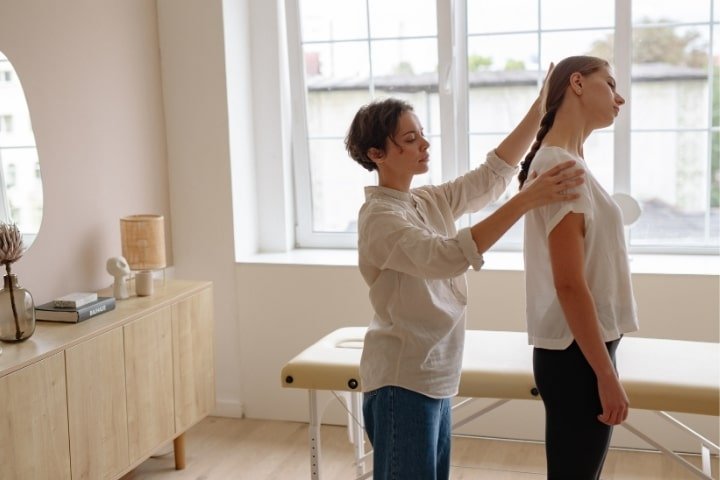
This can include examining neck movement, strength, tenderness, and whether particular positions or activities influence your symptoms.
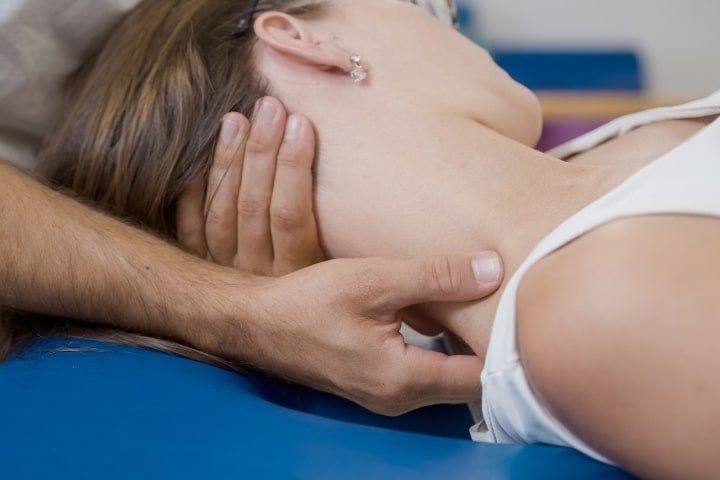
Physio for headaches & migraines may involve neck rehabilitation, manual therapy, exercises, and advice around physical triggers where appropriate.
If headaches are becoming a regular part of your week, book an assessment and find out whether physiotherapy has a suitable role in helping manage them
headaches & migraines Explained
There are several different types of headaches, and they do not all respond to the same treatment. Understanding the presentation comes before deciding whether physio is appropriate.
-
Headaches and migraines can be triggered or influenced by a range of factors, including:
Muscle tension in the neck and shoulders
Stress, fatigue or poor sleep
Changes in posture or prolonged sitting
Dehydration or skipped meals
Hormonal or environmental triggers
-
Depending on the headache type, symptoms may include:
Aching, pressure, or pain around the head
Neck pain or stiffness
Pain affecting one or both sides
Sensitivity to light or sound
Nausea or other symptoms during migraine
-
Presentations that may be discussed during assessment include:
Cervicogenic headaches
Tension-type headaches
Migraine occurring alongside neck symptoms
Headaches associated with neck stiffness
Post-injury head and neck symptoms
Recurrent headaches requiring further medical assessment
-
Your physio first considers whether there is a musculoskeletal component to your headaches and whether physiotherapy is appropriate for the type of symptoms you experience.
If the neck appears relevant, treatment may involve mobility exercises, strength work, hands-on techniques, and changes to physical activities that consistently aggravate your symptoms.
Migraine is a neurological condition, so physiotherapy is not positioned as a replacement for medical migraine care. Its role is to address relevant musculoskeletal factors where they are present.

Your recovery is our priority.
Managing recurring headaches often becomes easier when you understand your own pattern rather than reacting to each episode in isolation. We help you recognise which physical factors appear relevant and which symptoms sit outside the scope of physio.
Your rehabilitation may gradually build neck tolerance for work, exercise, screen time, or other activities that have become associated with symptoms. The aim is not to create a long list of movements or positions you must permanently avoid.
We also keep reassessing whether the treatment is doing what it should. If your symptoms change or stop fitting a musculoskeletal presentation, we will recommend appropriate medical review rather than simply continuing the same treatment.
PHYSIO FOR MIGRAINES & HEADACHES FAQ
-
Yes. Some headache presentations are associated with structures in the neck. However, not every headache comes from the neck, so assessment of the overall pattern is important.
-
Physio is not considered a cure for migraine. Migraine is a neurological condition. Physiotherapy may help address neck pain or other musculoskeletal problems that occur alongside it.
-
Headaches occurring alongside neck pain, stiffness, or particular neck movements can suggest the neck may be involved, but these symptoms are not enough to diagnose the cause by themselves.
-
New, severe, changing, or unexplained headaches should be medically assessed. If musculoskeletal neck symptoms are also present, physiotherapy may form part of your ongoing management.
-
Your physio will ask about your headache pattern before examining relevant neck movement, strength, and physical triggers. Treatment is based on those findings rather than following the same routine for every headache.
-
A sudden severe headache or one accompanied by significant neurological symptoms, confusion, collapse, or other unusual symptoms requires urgent medical assessment.