Physiotherapy For
Vestibular
Rated 5.0 by 100+ locals.
Dizziness, Vertigo or Balance Problems? Get the Right Assessment.
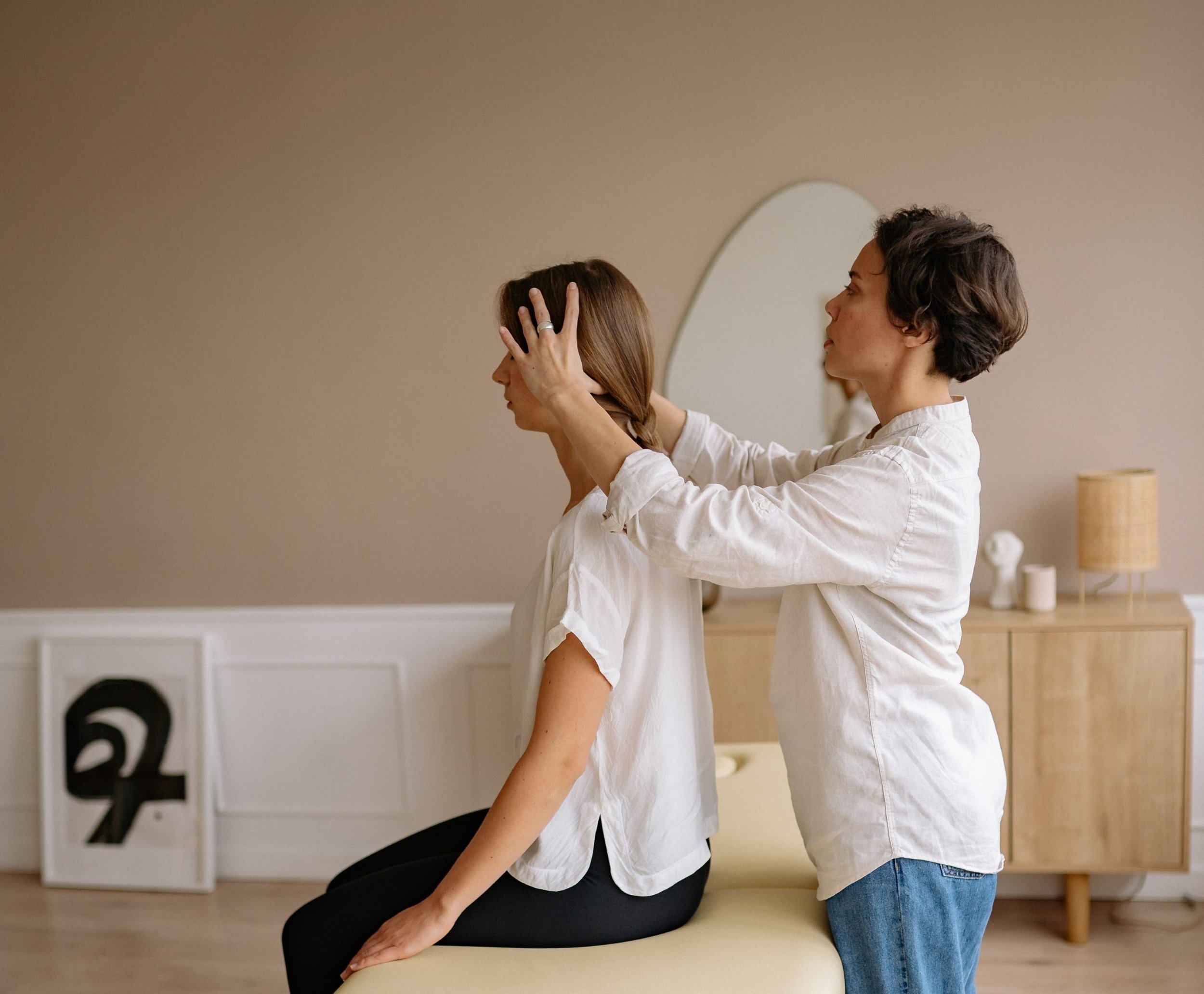
Vertigo and dizziness can make everyday movements difficult. Rolling over in bed, looking up, walking through busy spaces, or moving your head quickly may bring on symptoms.
At Regen Health, vestibular physio starts by understanding your dizziness, including when it occurs, how long it lasts, and which movements trigger your symptoms.
Treatment depends on the cause and may include positional manoeuvres, gaze exercises, balance retraining, or controlled exposure to movements that trigger symptoms.
If dizziness or poor balance is affecting your confidence, book an assessment to find out what may be causing it.
Vestibular Problems Explained
Dizziness is a symptom rather than a condition. Identifying the type of dizziness you experience helps determine whether vestibular physiotherapy is appropriate.
-
Dizziness and balance symptoms may be associated with:
Benign paroxysmal positional vertigo
Vestibular neuritis
Reduced vestibular function
Vestibular migraine
Other medical causes unrelated to the inner ear
-
Vestibular problems may cause:
Spinning or vertigo
Dizziness when changing head position
Unsteadiness while standing or walking
Difficulty keeping vision steady while moving
Motion or visual sensitivity
-
Vestibular physiotherapy may be used for presentations such as:
Benign paroxysmal positional vertigo
Vestibular neuritis rehabilitation
Positional dizziness
Persistent movement sensitivity
Balance problems related to vestibular dysfunction
Gaze stability difficulties
-
Your assessment helps determine whether your symptoms are consistent with a vestibular condition and which part of the balance system may need rehabilitation.
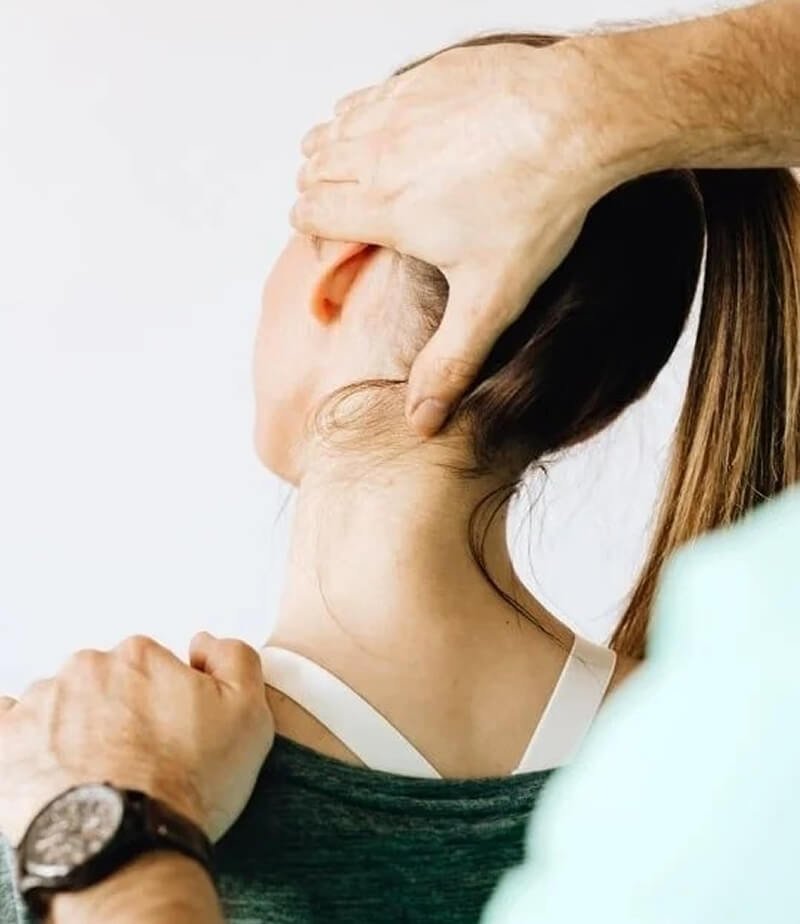
For BPPV, treatment may involve specific repositioning manoeuvres. Other vestibular conditions may require exercises involving eye movement, balance, walking, or controlled head movement.
The program is adjusted according to your symptom response so the balance system is challenged enough to adapt without simply making you excessively dizzy.
Helping You Regain Confidence in Your Balance.
Vestibular rehabilitation often asks you to practise movements you have started avoiding. The challenge is introducing them in a controlled way so your system has an opportunity to adapt without making everyday life unmanageable.
As your tolerance improves, exercises may become faster, more complex, or more visually demanding. Balance work can also move from predictable clinic exercises towards situations that better resemble the environments you actually encounter.
Progress is therefore measured by more than whether you feel dizzy during one appointment. Walking confidently, turning naturally, going shopping, exercising, and moving without constantly anticipating symptoms are equally important milestones.
VESTIBULAR PHYSIO FAQ
-
BPPV commonly causes brief episodes of vertigo when your head moves into certain positions, such as rolling in bed or looking up. An assessment can help confirm whether the pattern fits BPPV.
-
Some BPPV presentations can improve quickly following the correct manoeuvre. Other causes of vertigo and dizziness need rehabilitation over a longer period.
-
Some exercises intentionally challenge the systems responsible for balance and gaze stability. They should provoke a manageable response rather than simply making you as dizzy as possible.
-
No. It may also be relevant for certain balance problems, motion sensitivity, gaze instability, and ongoing unsteadiness.
-
No. Dizziness has many possible causes, including medical and neurological conditions. A vestibular assessment helps determine whether the symptoms appear suitable for physiotherapy.
-
New dizziness accompanied by severe neurological symptoms, collapse, significant weakness, difficulty speaking, or other unusual symptoms requires urgent medical assessment.