
Physio for Foot, Ankle, Shin Splints, & Plantar fasciitis
Rated 5.0 by 100+ locals.
Foot, Ankle & Shin Pain Slowing You Down? You’re in the Right Place.
Your feet and ankles absorb load every time you stand, walk, run, or exercise. When something becomes painful, even simple activities can start feeling uncomfortable, particularly if your job or lifestyle keeps you on your feet.
At Regen Health, we assess pain throughout the foot, heel, ankle, shin, and lower leg. That includes problems that develop suddenly after an injury as well as symptoms that gradually appear as activity or training changes.
Foot physio may involve strengthening, balance work, mobility exercises, progressive loading, hands-on treatment, and advice around walking, running, sport, or footwear where relevant. We also consider how the rest of your lower limb is moving.
If foot or ankle pain is making you cut walks short, modify training, or avoid being on your feet, book an appointment and let us take a closer look.
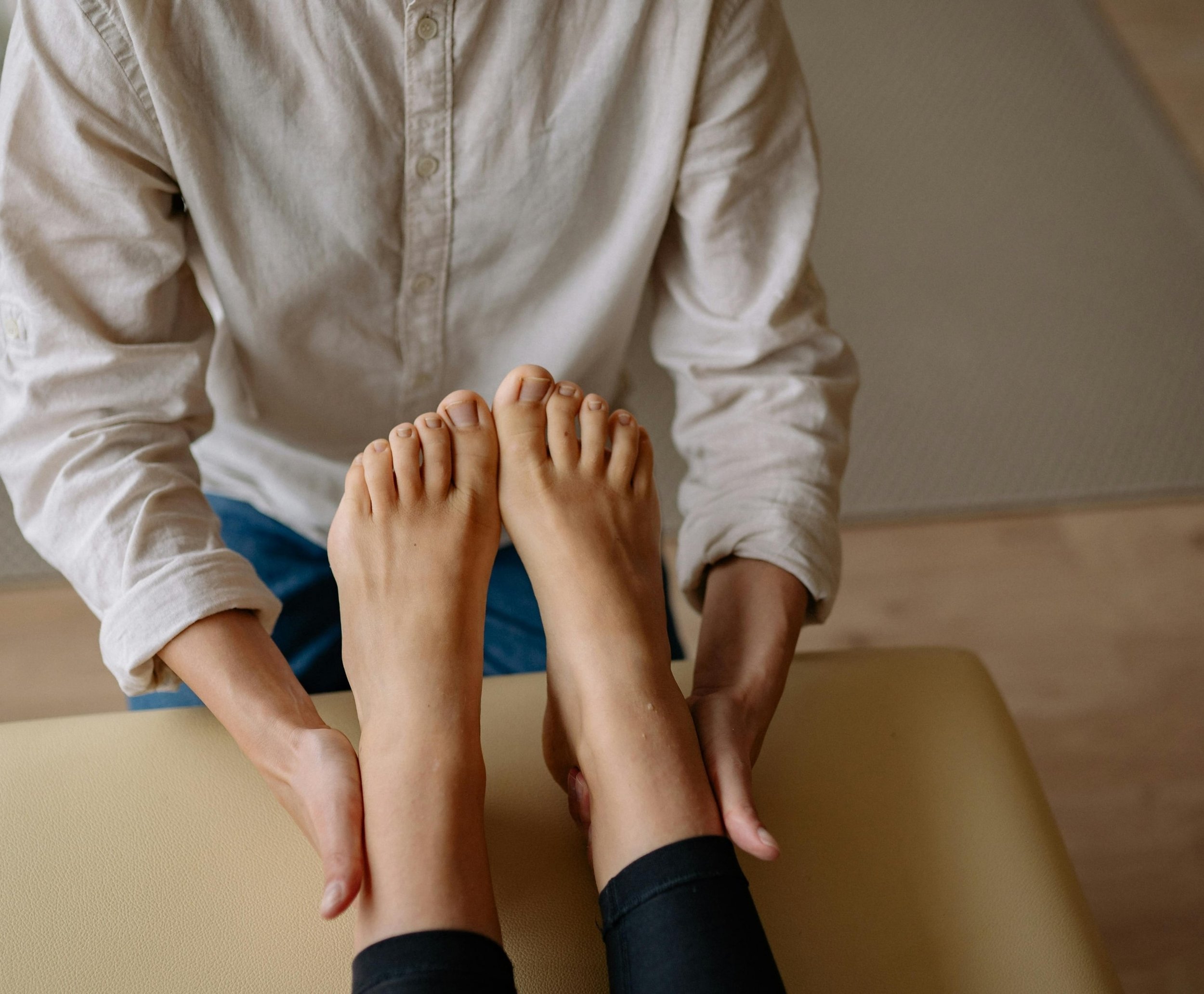

FOOT & ANKLE PAIN Explained
There are many structures packed into a relatively small area of the body. Where your pain sits and when it appears can help narrow down what may be involved.
-
Foot, ankle, heel, and shin pain may develop due to:
Rolling or twisting the ankle
Sudden increases in walking or running
Repetitive loading through the heel or arch
Changes in sport or training demands
Previous injuries affecting strength or stability
-
Common symptoms can include:
Pain through the heel, arch, foot, or ankle
Swelling or tenderness around the ankle
Shin pain during or after exercise
Stiffness after rest or first thing in the morning
Reduced confidence with running, jumping, or uneven ground
-
Our physiotherapists regularly assess conditions such as:
Ankle sprains
Ongoing ankle instability
Shin splints
Plantar fasciitis and plantar heel pain
Achilles tendinopathy
Foot and lower-leg sporting injuries
-
Your assessment may look at ankle movement, calf and foot strength, balance, walking or running demands, and what happens when the painful area is loaded.
Treatment can include progressive strengthening, mobility work, balance exercises, activity modification, and a gradual return to higher-impact activities where appropriate.
Foot physio aims to improve how much load the area can handle so your recovery extends beyond simply feeling comfortable while resting.
Helping You Move Pain-free.
Rehabilitation should prepare your foot and ankle for what they actually need to do. For one person, that might mean standing throughout a workday, while another may be working towards running, field sports, or long weekend walks.
We gradually increase the challenge as your strength and tolerance improve. Balance drills may progress into hopping, running, or direction changes, while simpler foot problems may need a different pathway entirely.
That progression helps bridge the gap between feeling better and trusting the area again. We want your foot or ankle to feel ready for everyday demands rather than constantly needing to be protected.
PHYSIO FOR foot pain FAQ
-
Yes. Recurring ankle sprains can sometimes leave ongoing weakness or reduced balance after the initial pain and swelling settle. Rehabilitation can target those areas and progressively prepare you for more demanding movements.
-
Morning heel pain is commonly associated with plantar heel problems such as plantar fasciitis, although not every case of heel pain has the same cause. An assessment can help identify what is most likely contributing.
-
Sometimes running can continue at a modified level, while more irritable symptoms may require a temporary reduction in impact. Your physio can help you find an appropriate amount rather than simply guessing.
-
Pain can settle before strength, balance, and confidence have completely returned. Continuing rehabilitation after the early pain phase can help prepare the ankle for sport and unpredictable movements.
-
No. Orthotics can be useful in some circumstances but are not necessary for every foot problem. Strength, activity levels, footwear, movement, and the specific condition all need to be considered.
-
Seek assessment if you cannot comfortably put weight through the foot, there is substantial swelling or deformity, or symptoms are not improving as expected after an injury.