Physio for Hip Pain
Rated 5.0 by 100+ locals.
Struggling With Hip Pain or Stiffness? Let’s Get You Moving Pain-Free.
Hip pain can be felt around the groin, outside of the hip, or towards the back of the joint. It may affect walking and exercise or become more noticeable when sitting or lying on one side.
At Regen Health, we assess what your hip can tolerate and which movements bring on your symptoms. We’ll also consider the pelvis, lower back, and knee where relevant.
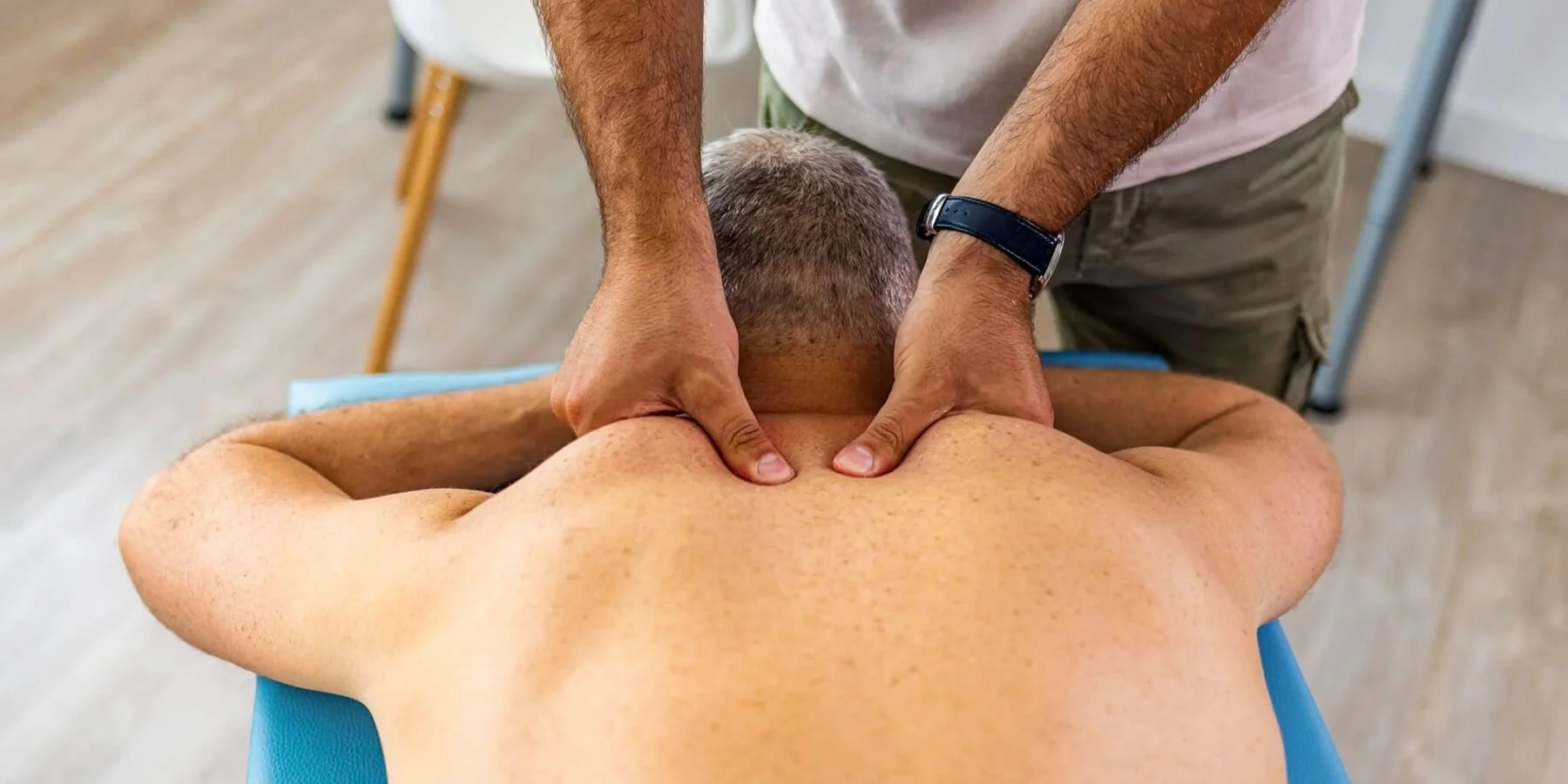
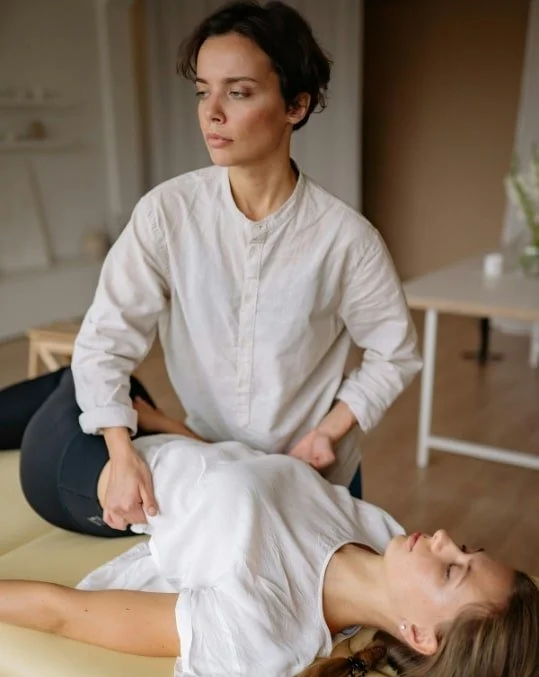
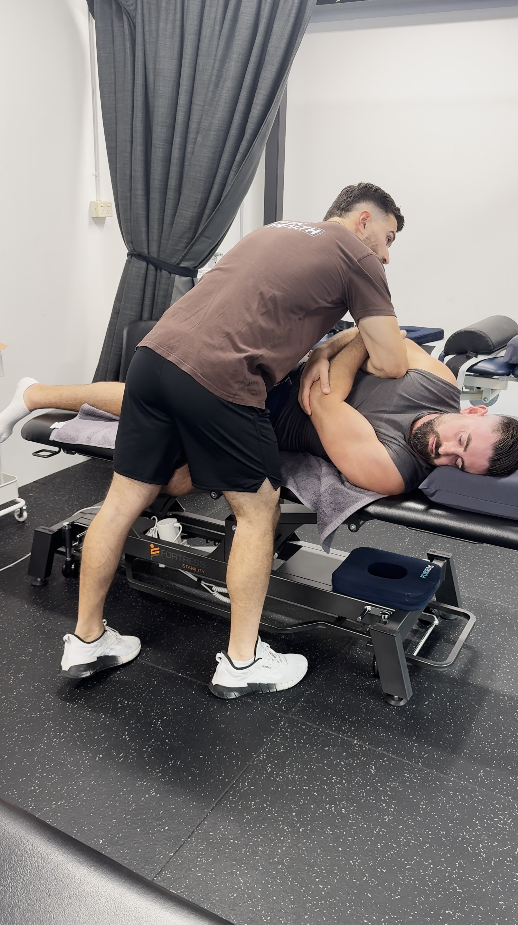
Hip physio may include strengthening, mobility exercises, hands-on treatment, and activity changes tailored to how you move and what you want to get back to.
If your hip has started deciding how far you walk, how you train, or even how you sleep, book an appointment and have it properly assessed.
Hip Pain Explained
Where hip pain is felt can give useful clues, although several different conditions can create similar symptoms. Assessment helps establish what is most relevant.
-
Hip pain may develop due to:
Tendon irritation around the hip
Muscle strains
Osteoarthritis
Sudden increases in activity
Sport or running-related overload
-
Hip problems may cause:
Groin or front-of-hip pain
Pain or tenderness around the outer hip
Pain with walking, stairs, or running
Discomfort lying on one side
Stiffness after sitting or resting
-
Our physiotherapists commonly assess:
Greater trochanteric pain syndrome
Gluteal tendinopathy
Hip osteoarthritis
Hip flexor strains
Running-related hip pain
Other muscular and sporting hip injuries
-
Your assessment looks at hip movement, muscle strength, balance, and the specific activities that currently reproduce your symptoms.
Treatment can involve progressive loading of the hip and surrounding muscles, useful mobility work, and temporarily adjusting activities while the irritated area builds tolerance.
Rehabilitation can then become increasingly specific to your goal, whether you want to walk further, return to running, lift weights, play sport, or simply move comfortably throughout the day.
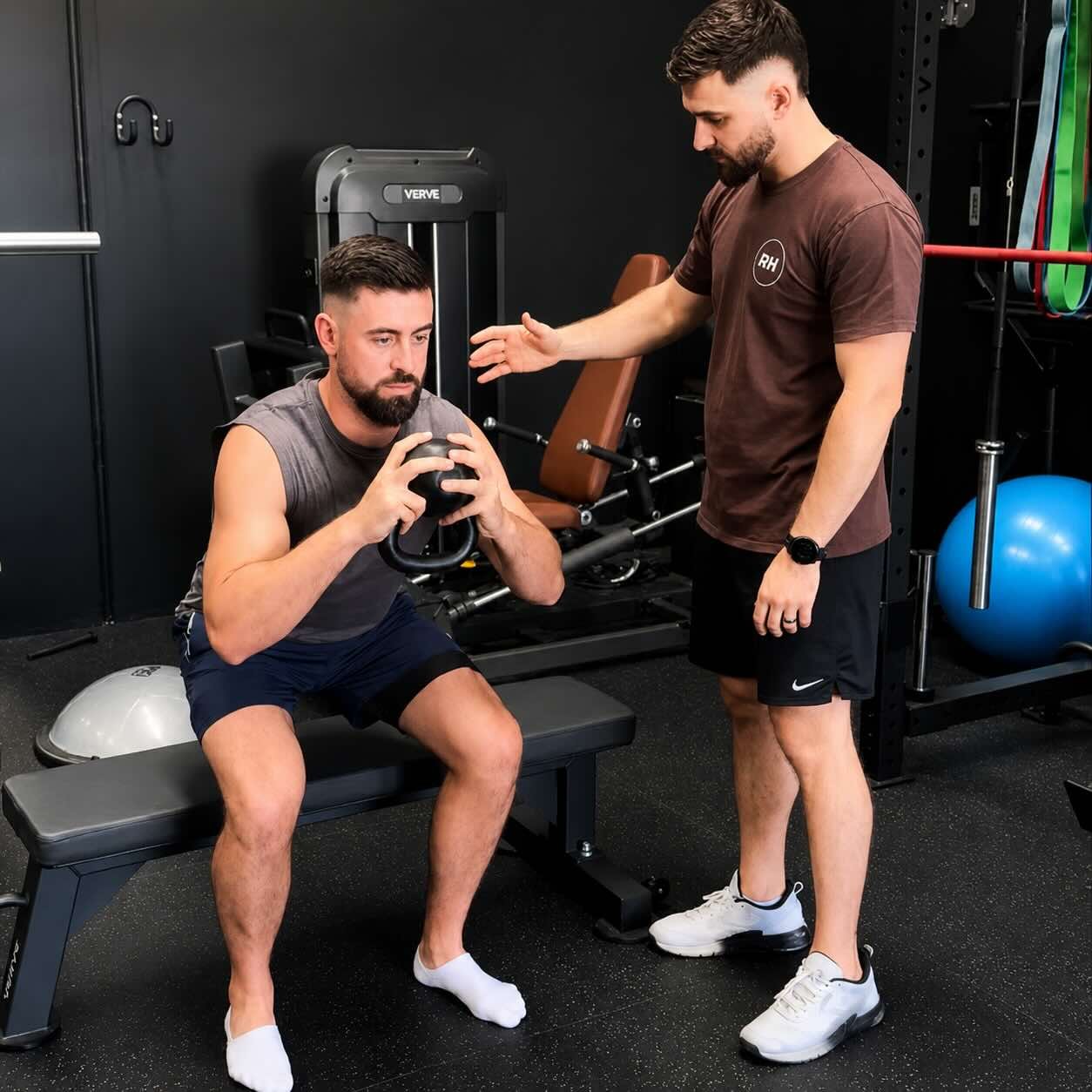
Your Hip recovery is our priority.
A useful hip rehabilitation plan should evolve. Early exercises may focus on finding comfortable ways to load the hip, while later stages can involve stronger resistance, longer walks, running drills, or movements specific to your sport.
We use your response between appointments to guide those changes rather than progressing according to an arbitrary timetable. Some conditions respond quickly, while tendon or joint problems may need more patient loading over time.
The result should be more than a collection of exercises. You should understand what your hip can handle now, how to increase that capacity, and what to do when a more demanding day temporarily stirs things up.
Hip Physio FAQ
-
Yes. Pain felt around the hip can sometimes come from the lower back or be influenced by nearby muscles, joints and nerves. Your physio can assess both areas to better understand where your pain is coming from.
-
Pain around the outside of the hip can sometimes be associated with gluteal tendon problems or greater trochanteric pain syndrome. Side-lying may place additional pressure through a sensitive area.
-
Sitting for long periods can leave the hip feeling stiff, particularly when the surrounding muscles or joints are already sensitive. Regular movement and appropriate exercises may help improve mobility.
-
You may not need to stop exercising completely. Adjusting certain movements, intensity or training volume can help reduce irritation while keeping you active. Your physio can guide you on what’s appropriate for your condition.
-
Consider seeing a physio if your hip pain persists, keeps returning or starts affecting walking, exercise, sleep or everyday activities. An assessment can help identify the likely cause and guide your treatment and recovery.