physiotherapy for WRIST & Elbow Pain
Rated 5.0 by 70+ locals.
BUILD STRENGTH AND CONFIDENCE BACK WITH WRIST AND ELBOW PHYSIO.
Wrist and elbow pain can make simple things like typing, gripping, lifting, training, or playing sport uncomfortable. The problem may develop gradually from repeated use or appear after an injury.
We assess how your wrist, elbow, and surrounding muscles work together to identify what’s contributing to your symptoms.
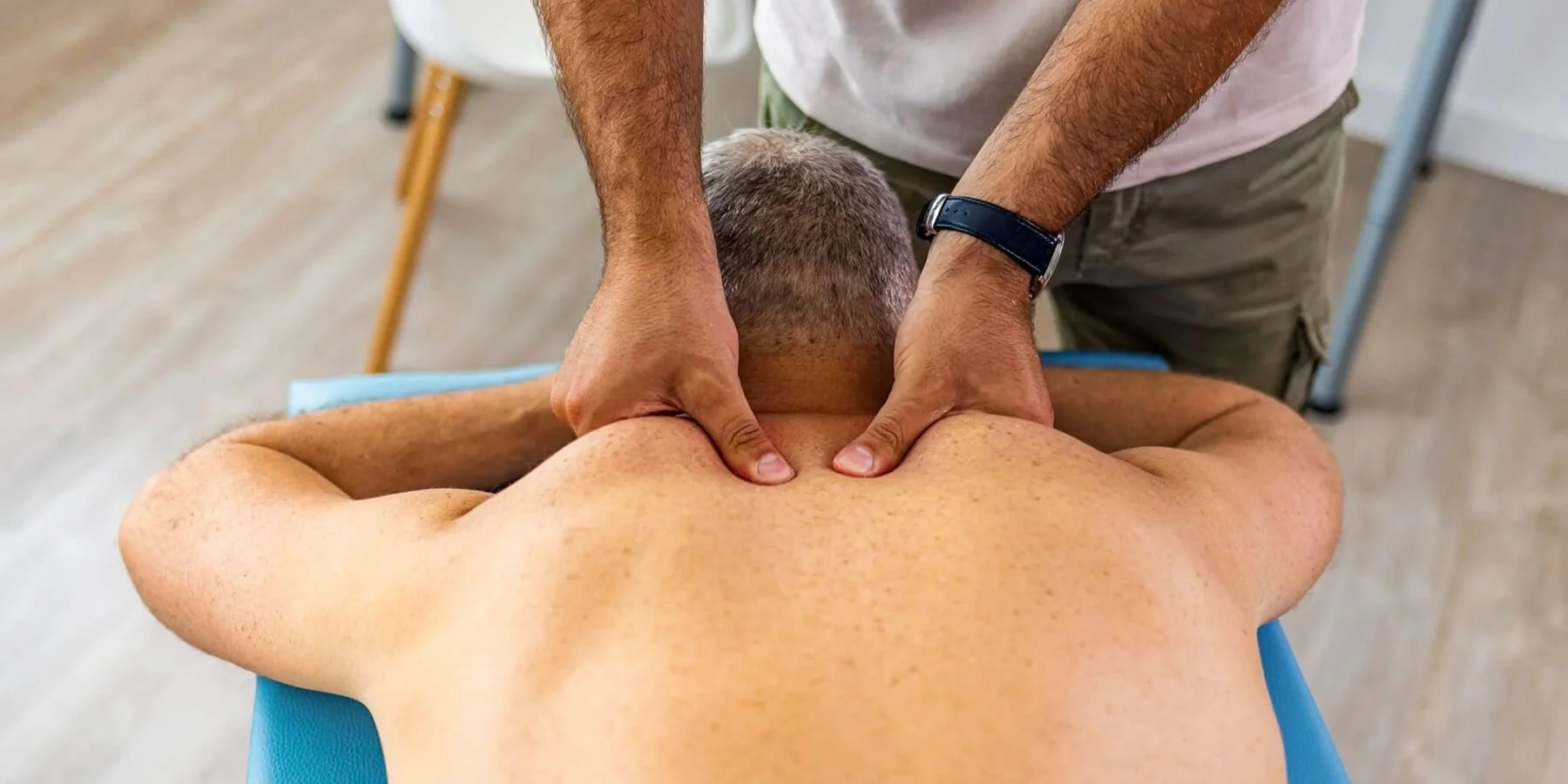
Your physiotherapists may include deep tissue massage, mobility exercises, strengthening, and activity changes tailored to what your arm needs each day.
Whether you’re dealing with tennis elbow, a sore wrist, or an ongoing upper-limb problem, we’ll help you work towards comfortable, confident movement again.

WRIST & ELBOW PAIN Explained
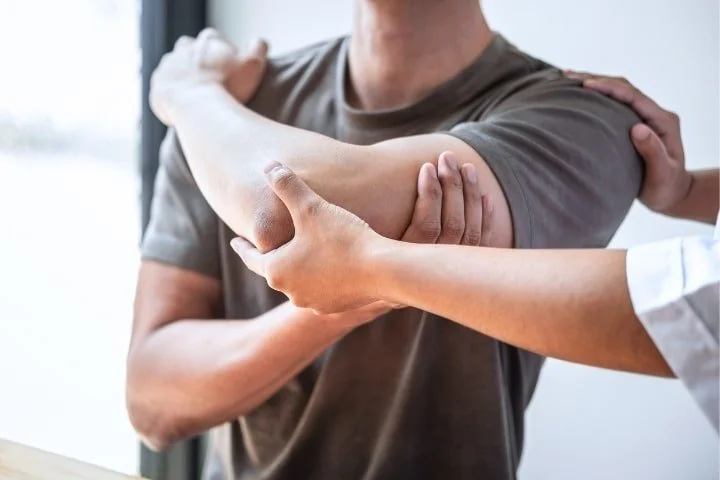
Wrist and elbow pain can have several causes. Understanding what’s irritating the area helps us plan the right treatment.
-
Problems around these joints can develop suddenly or build gradually with repeated use. Work, sport, training, and previous injuries can all play a role. Common causes include:
Repetitive gripping, lifting, or twisting
Sudden falls or impacts onto the hand or arm
Repeated wrist movements during work or sport
Rapid increases in training or physical workload
Reduced strength or capacity through the forearm and upper limb
-
Tennis elbow involves irritation around the tendons that attach to the outside of the elbow. Despite the name, you don’t need to play tennis to develop it. Symptoms can include:
Pain or tenderness around the outside of the elbow
Discomfort when gripping or carrying objects
Pain with lifting, twisting, or repetitive hand movements
Reduced grip strength during everyday tasks
Symptoms that build with work, training, or racquet sports
-
The wrist, forearm, and elbow contain several joints, muscles, tendons, and ligaments that can become painful or injured. Problems we commonly assess include:
Wrist sprains following a fall or sudden force
Tendon-related wrist and forearm pain
Golfer’s elbow and inner elbow discomfort
Muscle strains through the wrist or forearm
Pain related to repeated workplace or sporting movements
Ongoing stiffness or weakness following an earlier injury
-
Wrist physio begins by looking at how the problem affects your grip, strength, movement, and everyday tasks. We may also assess your forearm, elbow, shoulder, and other areas that could be influencing how your arm is working.
Treatment is based on what we find rather than taking the same approach to every painful wrist or elbow. It may involve manual therapy, targeted exercises, progressive loading, and temporary adjustments to activities that repeatedly aggravate the area.
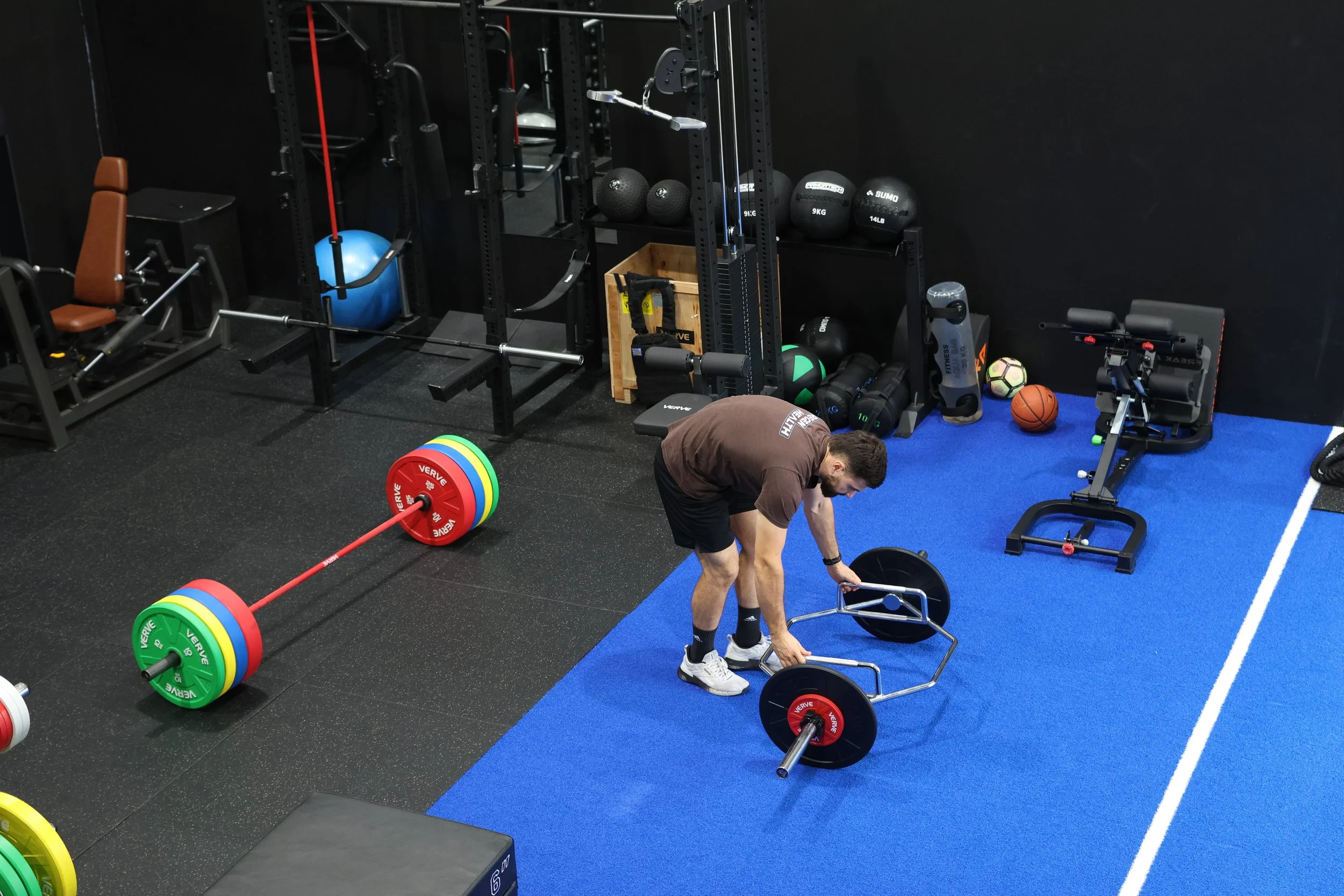
As your symptoms improve, exercises can be progressed towards the demands of your work, gym routine, hobbies, or sport. The aim is to build an arm that can comfortably cope with the things you need it to do.
Stronger Wrists and Elbows Start Here.
Wrist and elbow problems can be frustrating when they interfere with activities you normally wouldn’t think twice about. From opening a jar to using tools or holding a racquet, we’ll focus on the movements that are causing you trouble.
Your treatment plan will reflect how your injury developed and what you need from your arm. We’ll progressively work on mobility, grip, strength, and tolerance while adapting rehabilitation as you improve.
Our aim is to help you use your wrist and elbow with greater comfort and confidence, whether that means getting through the workday or returning to sport. Book an appointment with our physiotherapists to get started.
Wrist & Elbow Physio FAQ
-
Gripping requires the muscles and tendons of the forearm to work hard, including those that attach around the elbow. If these tissues are irritated or aren’t coping well with the load, gripping objects can bring on symptoms. An assessment can help identify which movements and tissues are involved.
-
No. Tennis elbow can affect people who’ve never picked up a racquet. A tennis elbow physiotherapist can help with symptoms linked to repeated gripping and wrist movements from work, gym training, gardening, or other activities.
-
Loading the wrist in positions such as push-ups, getting up from the floor, or leaning through your hand can stress different structures around the joint. The cause isn’t always the same, so your physio will assess where the pain occurs and which positions trigger it.
-
A brace may be useful in some situations, but it isn’t necessary for every wrist or elbow problem. Whether one is appropriate depends on the injury, your symptoms, and what you’re doing throughout the day. Your physiotherapist can advise whether support is likely to be useful for you.
-
Recovery time varies depending on how long symptoms have been present, the demands placed on your arm, and how you respond to rehabilitation. A physiotherapist can help manage aggravating loads and progressively rebuild strength.
-
Physiotherapy can help you work towards returning to gym training without unnecessarily avoiding upper-body exercise. Your program may initially adjust certain grips, loads, or movements before gradually rebuilding the strength and tolerance needed for heavier training.