Physio for Back Pain
Rated 5.0 by 100+ locals.
Back Pain Getting in the Way? We’ve Got You Covered.
Back pain can appear after lifting, training, sitting for long periods, or a movement that seemed harmless at the time. Sometimes there is no obvious moment at all, which can make the problem even more frustrating.
At Regen Health, we look at how your symptoms behave rather than focusing only on the spot that hurts. We assess the movements, positions, physical demands, and activities that have become difficult since your back started bothering you.
Back physio can involve movement exercises, strengthening, hands-on treatment, and gradually reintroducing tasks you have become hesitant to perform. Your plan is shaped around whether you need to lift for work, train at the gym, play sport, or simply move comfortably.
If your back is making you rethink every bend, lift, workout, or long day at work, book an appointment and get some clarity around what to do next.
Back PAIN Explained
Back pain can feel very different from one person to another. The cause is not always tied to one damaged structure, which is why a full assessment matters.
-
Back pain may be associated with:
Lifting, bending, or twisting under load
Sudden changes in physical activity
Muscle or ligament strains
Irritation involving spinal joints or discs
Nerve irritation affecting the back and leg
-
Back problems may cause symptoms such as:
Local aching or sharp pain
Stiffness after sitting or resting
Pain when bending, lifting, or twisting
Pain extending towards the buttock or leg
Tingling, numbness, or weakness in some presentations
-
Our physiotherapists regularly assess:
Acute lower back pain
Persistent lower back pain
Muscular strains
Sciatica
Disc-related back pain
Recurrent episodes of back pain
-
Your physio will assess the movements and activities that influence your symptoms and identify areas of strength, mobility, or physical capacity that may need attention.
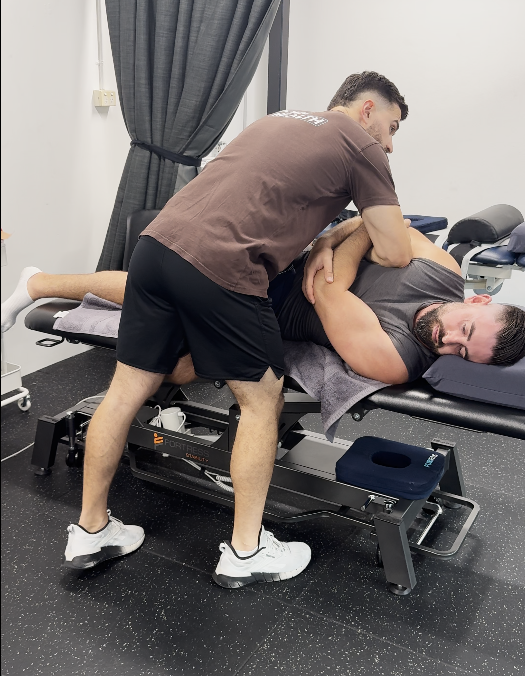
Treatment may include targeted exercises, hands-on therapy, graded exposure to uncomfortable movements, and advice around work, lifting, exercise, and everyday activity.
The aim is to help you become more capable with movement rather than teaching you to permanently avoid anything that has previously made your back sore.
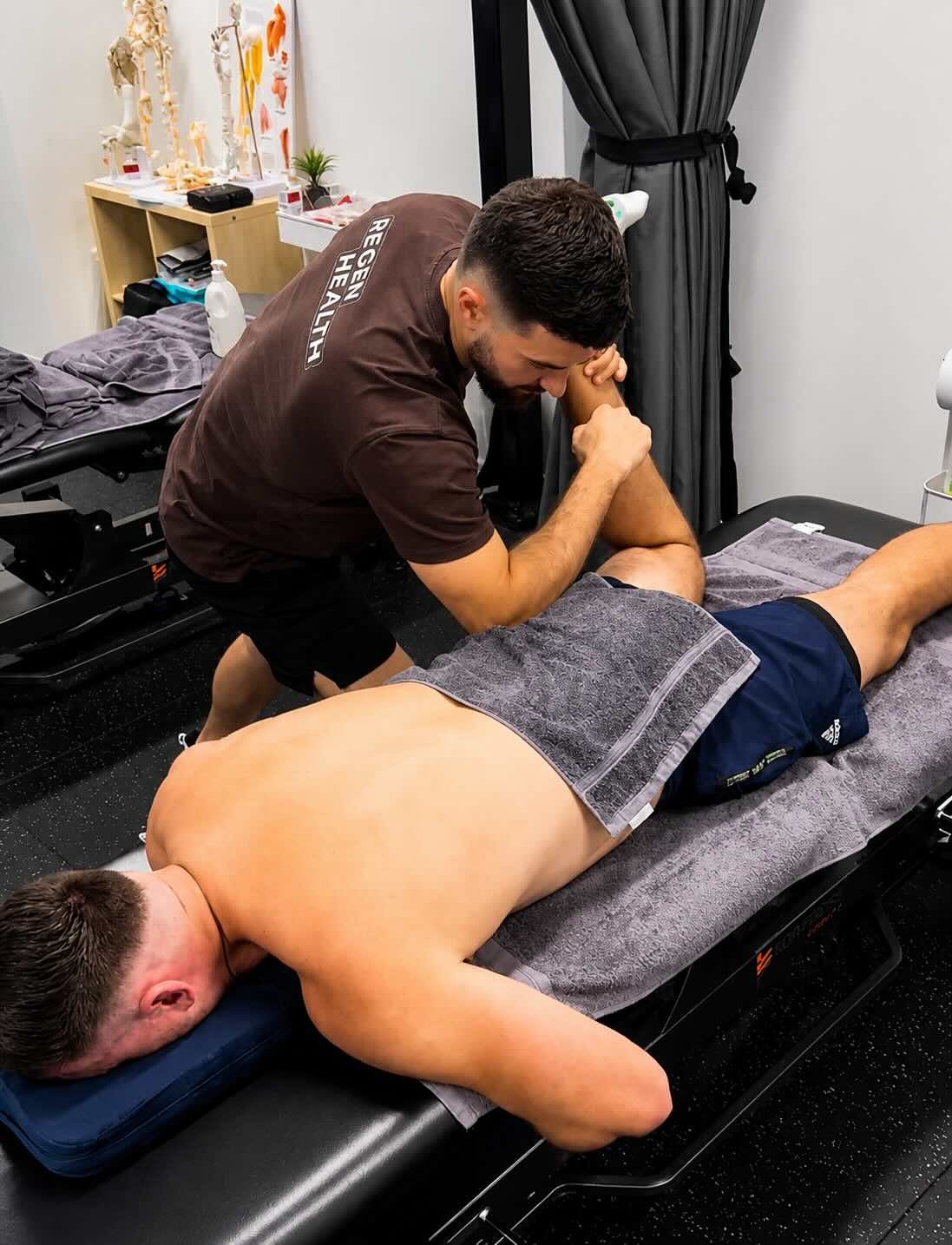
Your Back Recovery Is Our Priority.
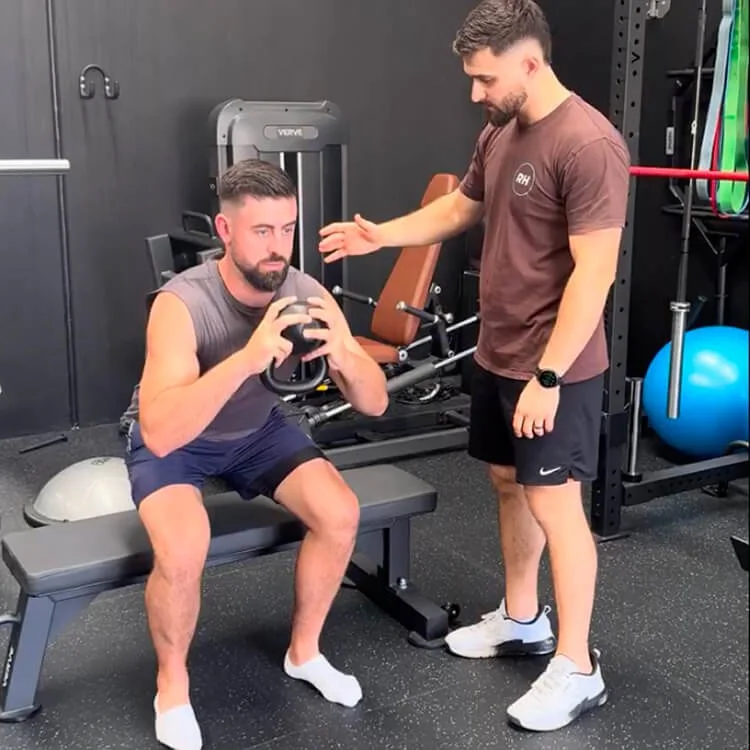
Back rehabilitation often involves rebuilding trust in movements you have started treating as dangerous. Bending to the floor, lifting a box, or returning to the gym may need to be reintroduced gradually rather than avoided indefinitely.
We progress those movements according to your response, adding load, range, or complexity when you are ready. This creates a pathway between the early stage of managing symptoms and returning to the things your back needs to handle.
You will also learn how to respond to symptoms. Having a plan for a sore day can make future episodes feel much less alarming and help you stay active with greater confidence.
PHYSIO FOR back pain FAQ
-
Usually, prolonged bed rest is not the preferred approach for uncomplicated back pain. Staying reasonably active and modifying activities that are particularly aggravating is often more useful.
-
Back pain does not always correlate neatly with scan findings. A physio assessment focuses on your symptoms, movement, strength, and function rather than relying solely on imaging.
-
Often you can continue training with some modifications. Your physio can help adjust exercises, range, weight, or volume while gradually working back towards your normal program.
-
No. Sciatica usually refers to nerve-related symptoms that travel through the buttock or leg. Some people experience back pain as well, while others notice leg symptoms more prominently.
-
Recurring pain can be influenced by several factors, including physical demands, changes in activity, previous episodes, and reduced capacity for certain tasks. Rehabilitation can focus on making those tasks more manageable.
-
Back pain accompanied by new bladder or bowel problems, numbness around the groin or saddle area, or significant progressive weakness requires urgent medical assessment.